
Portuguese Presidential Elections: How Portugal Chooses Its Head of State
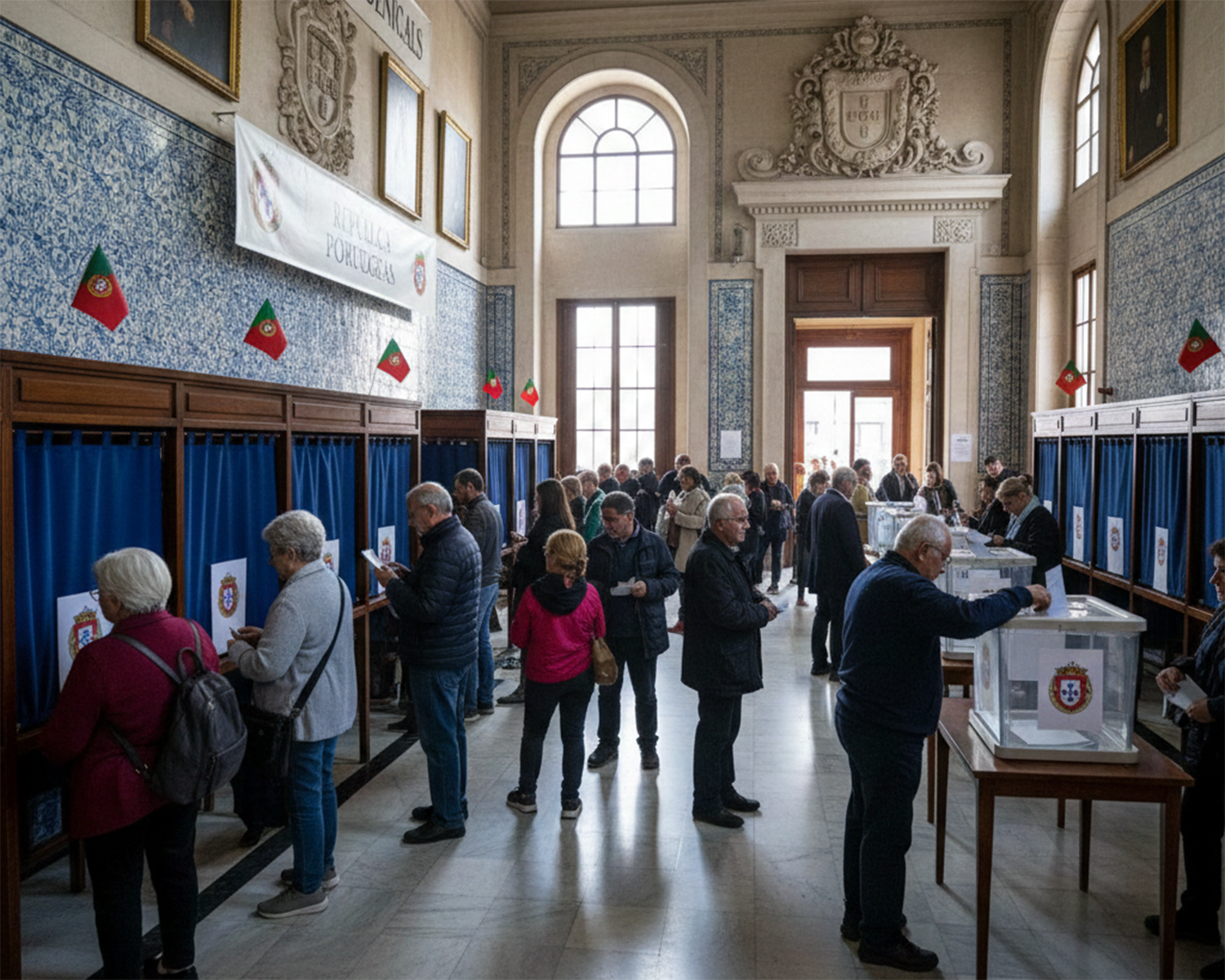
If you're living in Portugal or thinking about it, you've probably noticed that the country's been buzzing about presidential elections lately. The first round just happened on January 18, 2026, with a runoff scheduled for February 8. But if you're coming from countries like the US or UK, Portugal's presidential system might seem a bit puzzling at first.
Let's break down exactly how Portuguese presidential elections work, what the president actually does, and how you can participate if you're a Portuguese citizen living abroad.
Understanding Portugal's Semi-Presidential System
Portugal operates what's called a semi-presidential system, which is quite different from the American presidential system or the British parliamentary system that many expats are familiar with.
Think of it like France's setup: you've got both a President and a Prime Minister, each with distinct roles. The President serves as head of state, while the Prime Minister runs the day-to-day government. It's a bit like having a ceremonial figurehead who still wields real power when needed.
The President lives at Belém Palace in Lisbon and serves five-year terms, with a maximum of two consecutive terms. Since Portugal returned to democracy in 1974, every president who's sought reelection has won it, and no president has attempted a third term (with one exception: Mário Soares tried for a non-consecutive third term in 2006 but lost).
What Does the Portuguese President Actually Do?
This is where it gets interesting for expats trying to understand Portuguese politics. The President isn't running the country day-to-day like an American president would. Instead, they have what you might call "reserve powers" that become crucial during political crises.
The President can veto legislation, dissolve Parliament, and call snap elections. They also have significant influence over foreign policy and defense matters. During normal times, the role appears largely ceremonial, but when political crisis hits, the President becomes the key figure deciding how to resolve it.
Currently, both President Marcelo Rebelo de Sousa and Prime Minister Luís Montenegro are from the same party (PSD). Before, Portugal has experienced what's called "cohabitation," where the President and Prime Minister come from different political parties (with Former Prime Minister António Costa hailing from PS). This situation can create interesting political dynamics but generally works smoothly in the Portuguese system.
The Two-Round Election System
Portugal uses a two-round system that's quite straightforward. To win outright, a candidate needs more than 50% of the vote in the first round. If no one reaches that threshold, the top two candidates face off three weeks later in a runoff.
This system encourages candidates to build broad coalitions and appeal beyond their core base. It also means Portuguese presidential elections have historically been decided in the first round, making the 2026 election quite unusual. In fact, there's only been one previous runoff in Portuguese democratic history, back in 1986.
To get on the ballot, candidates need to be Portuguese citizens over 35 years old and collect 7,500 signatures of support. The Constitutional Court then verifies these candidacies to ensure they meet all legal requirements.
Who Can Vote and How
All Portuguese citizens aged 18 and over can vote in presidential elections, and registration is automatic. If you're a Portuguese citizen, you're enrolled based on the address on your Citizen Card, whether you live in Portugal or abroad.
The voting process is refreshingly simple compared to some countries. You just show up to your designated polling station with your Citizen Card. There's no advance registration required, no voter numbers to remember, and no electronic or online voting.
Portugal also offers early voting for people who can't make it on election day. This includes hospitalized patients, prisoners, and people who'll be traveling. You need to request early voting between specific dates before the election.
Voting from Abroad
If you're a Portuguese citizen living outside Portugal, you can absolutely participate in presidential elections. The system's designed to include the Portuguese diaspora, which is substantial given how many Portuguese people live abroad.
Portuguese citizens abroad vote either at their local consulate or embassy, or by mail, depending on how they're registered. You can't just fly back to Portugal and vote there if you're registered abroad, so it's important to understand your registration status beforehand.
For mail-in voting, you'll receive your ballot at the address linked to your Citizen Card. The process involves specific envelopes and strict deadlines, so it's crucial to return your ballot as soon as you receive it. You can track your ballot through the official Portal do Eleitor using your civil identification number.
One thing to note: if your Portuguese Citizen Card has been expired for more than 24 months, your electoral registration becomes inactive. Make sure to renew it well before any election if you want to participate.
The Current 2026 Election Context
The 2026 election has been particularly significant because it's only the second time in Portuguese democratic history that a presidential election has gone to a second round. The first round on January 18 saw Socialist candidate António José Seguro win 31% against far-right leader André Ventura's 23.5%.
The runoff scheduled for February 8 represents a significant moment in Portuguese politics. Ventura's strong showing reflects broader European trends toward populist parties, while Seguro's campaign emphasizes democratic values and European integration.
Voter turnout was notably high at 52% overall, including overseas voters, and reached 61.5% within Portugal itself. This represented a significant increase from the previous election in 2021.
How This Differs from Other Systems
For American expats, the biggest difference is that Portugal separates the head of state (President) from the head of government (Prime Minister). You're not choosing who runs the government when you vote for President; you're choosing who serves as the country's constitutional guardian and representative.
British expats might find it easier to understand, since it's somewhat similar to having both a monarch (ceremonial head of state) and a Prime Minister (head of government), except the Portuguese President is elected and has real political powers during crises.
The two-round system also encourages different campaign strategies than first-past-the-post systems. Candidates need to think about how to appeal to supporters of eliminated candidates in the runoff round.
What Presidential Elections Mean for Portugal's Direction
While the President doesn't control day-to-day policy, presidential elections often reflect broader political moods and can influence parliamentary elections. A president with different political views from the government can create interesting tensions, particularly around legislation and constitutional matters.
The President's role in foreign policy is particularly significant for Portugal's relationships with the EU, NATO, and other international partners. They also play a crucial role during political crises, such as when no party can form a government after parliamentary elections.
Understanding Portuguese Democracy as an Expat
Portugal's political system might seem complex at first, but understanding how presidential elections work is crucial for anyone considering making Portugal their permanent home. The electoral process reflects Portuguese values of inclusion, democratic participation, and constitutional stability.
Whether you're already a Portuguese citizen living abroad or considering obtaining Portuguese citizenship through residence, understanding these democratic processes is essential. The Portuguese system's emphasis on broad participation and constitutional safeguards creates a stable foundation for anyone planning their long-term future here.
If you're navigating Portuguese bureaucracy for residency, citizenship, or other legal requirements, our consultation services can help you understand not just the paperwork, but how Portugal's political and legal systems actually work in practice. We've helped many expats understand everything from voting rights to the path to Portuguese citizenship.
Ready to learn more about making Portugal your permanent home? Let's discuss how Portuguese democracy and citizenship could fit into your long-term plans for life here.
