
Living in Barão de São João: The Honest Guide (and a Lesson in Fire Preparedness)
Just days before we arrived to film in Barão de São João, a wildfire raged in the remote wilderness areas north of the village. Around 770 firefighters were involved, supported by up to 12 aircraft and over 200 vehicles. Many people evacuated. The smoke was visible for miles.
The village itself was spared, but the experience changed the shape of this video. What was supposed to be a straightforward village profile became something more: a look at a quiet, historic community and a practical guide to fire preparedness for anyone thinking of living in rural Portugal.
We visited Barão de São João as part of our Algarve Unlocked series. Here's what we found.
📺 This article is a companion piece to our Algarve Unlocked video on Barão de São João. Watch the full episode for the village walkabout and the full fire safety breakdown.
Where Exactly Is Barão de São João?
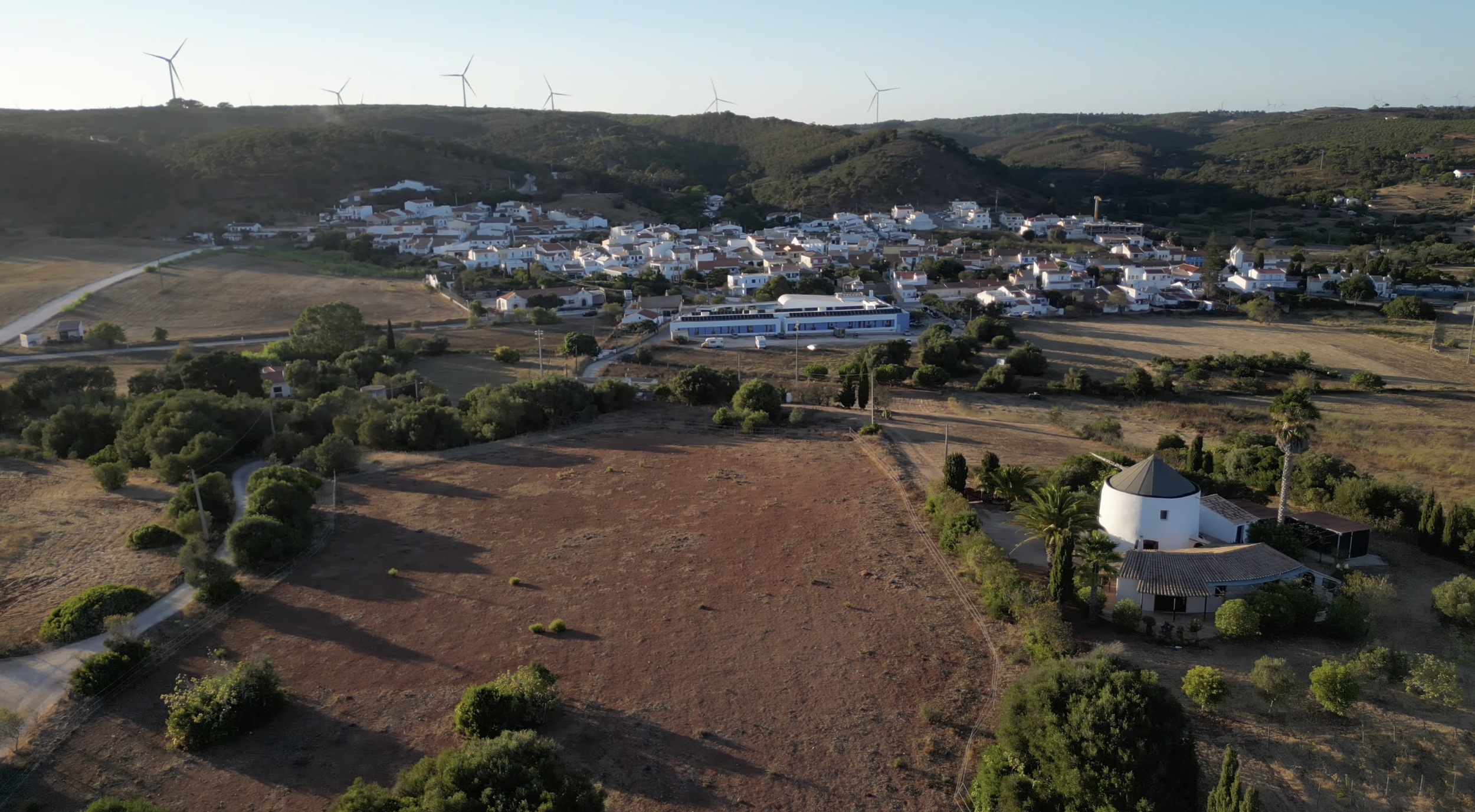
Barão de São João is a village in the municipality of Lagos, in the western Algarve, about 20 minutes' drive northwest of Lagos. It sits a few minutes from Bensafrim, which we covered in the previous video.
The parish had 895 inhabitants in the 2011 census, covering an area of 51.85 square kilometres. The village itself is smaller, with an estimated population of around 380 in 2021.
In 2013, the parish was merged with neighbouring Bensafrim to form the combined parish of Bensafrim e Barão de São João, making it by far the largest parish in the Lagos municipality. This merger was contentious, and Nick flagged it in the Bensafrim video. Locals argued that the two villages had completely different characters and rhythms, and many campaigned to restore Barão de São João's independence. According to the Portuguese Wikipedia article, the parishes were formally restored to their original status in March 2025.
You can reach the village from Lagos by taking the number 6 bus, which takes about 44 minutes. The Via Algarviana also passes through Barão de São João before heading up into the hills. By car, there are three routes in from different directions. Lagos is the nearest train station (the westernmost stop on the Algarve railway line).
Five Quick Facts
The name. The village is dedicated to São João Baptista (Saint John the Baptist). According to the Lagos municipal website, the settlement received its noble title of "Barão" (Baron) in the 17th century. Put the two together and you get Barão de São João: a name that reflects both religious devotion and aristocratic prestige.
Ancient layers. The area has been inhabited for thousands of years. Menhirs still stand in the fields (you can find them on Google Maps and visit them). The Pedra do Galo menhir in Pedra Branca demonstrates prehistoric occupation. Roman pottery and even a Roman pickaxe (now in the Faro museum) have been found here. By the early 1600s, parish records listed around 50 inhabitants.
The 2013 merger fight. For most of the last century, Barão de São João was its own parish, having been created by decree in 1933 with territories taken from Bensafrim. That independence ended in 2013 when the government merged it with Bensafrim. Locals were furious, arguing their village had its own identity and soul.
The Sunday market. On the last Sunday of each month, the village sports ground transforms into a flea market. Stalls overflow with jewellery, paintings, second-hand clothes. Neighbours chat, music plays, visitors mingle. It's not just shopping; it's a community gathering point.
The national forest. The Mata Nacional de Barão de São João lies northwest of the village, a woodland of approximately 5,000 hectares featuring pine, acacia, eucalyptus, and strawberry trees (arbutus). It has six signposted hiking trails and several campsites. There are views to the Atlantic from several points. The Lagos Zoological Park is also located within the parish territory, about 800 metres northeast of the village.
Fire Preparedness: What You Need to Know
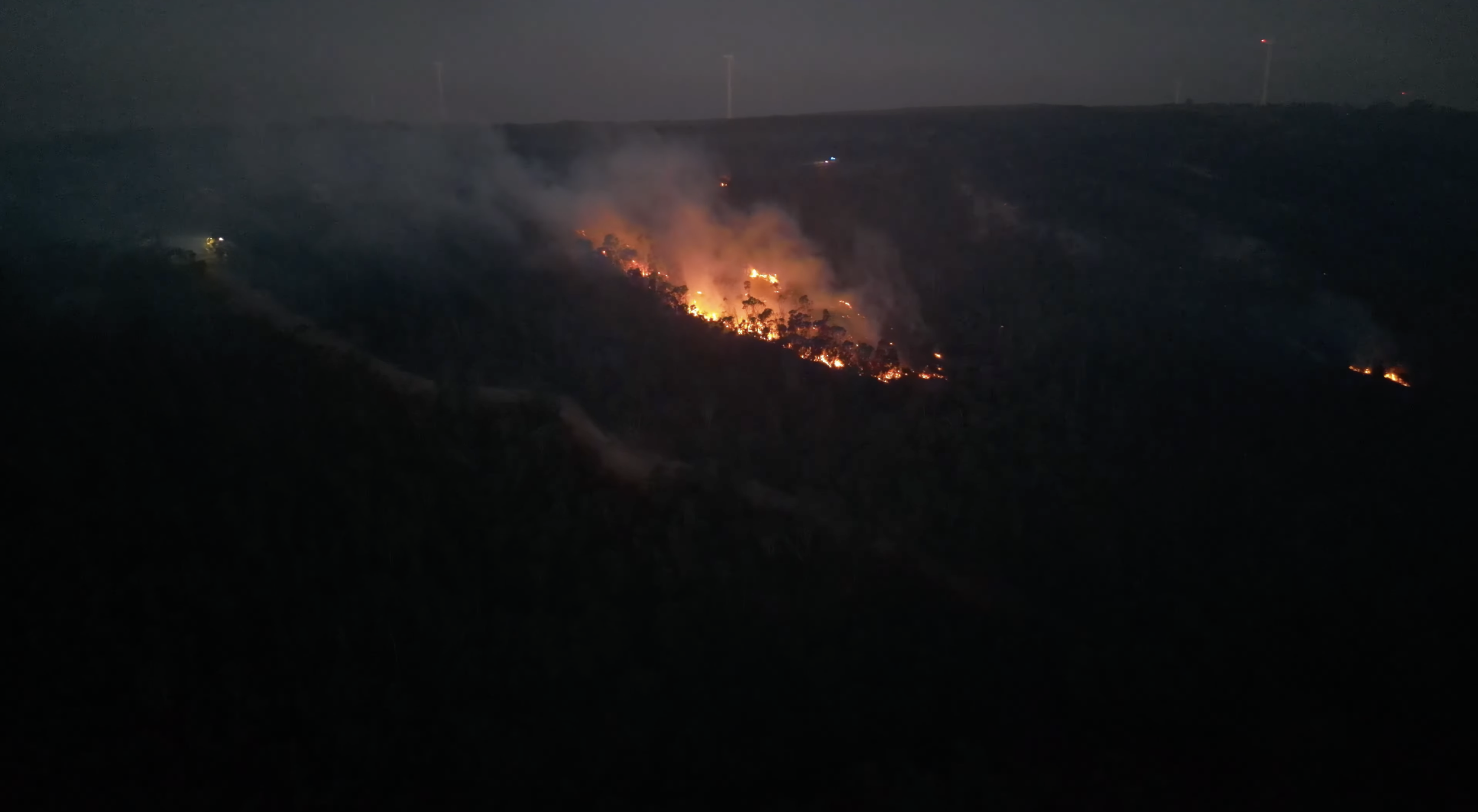
The wildfire near Barão de São João was a reminder that fire is a real and recurring risk in rural Portugal, particularly during the summer months. Here's a summary of the practical guidance Nick shared in the video.
Stay informed. The fogos.pt website (and app) and Google Maps both provide real-time coverage of active fire areas. In a fire situation, information is critical.
Land clearance. By law, all rural land must be cleared by 1 July. The critical fire period runs officially from 1 July to 30 September, though it can be brought forward or extended. Nick noted that in São Brás de Alportel, where he lives, clearing typically starts in mid-May.
Restrictions during fire season. You cannot burn agricultural waste, brush, or debris without permission from the local bombeiros (fire brigade). You cannot light bonfires or barbecues in or near forested areas. No releasing balloons, fireworks, or any open flame in or near forest zones. Violations can lead to heavy fines and criminal charges.
Check IPMA alerts. The IPMA (Portuguese meteorological agency) issues alert levels. At the highest red alert, people are not permitted to use farm or forestry machinery due to the increased risk of fire.
Prepare your home. Use fire-resistant materials for roofing and exteriors. Ensure water access (tanks, hoses). Nick mentioned having a water tank at his own home for emergencies. Prepare a go-bag with essential documents, clothes, food, water, and first aid. Know at least two escape routes from your home and the locations of safe zones.
Report fires immediately. Call 112 with the location, wind direction, spread, and nearby landmarks. Don't block access roads.
Nick emphasised that this shouldn't make anyone scared: fires are a part of life in rural Portugal, and most of the time you'll know what's happening well in advance. But awareness and preparation are vital, and supporting the bombeiros (most of whom are volunteers) through donations, supplies, or simply keeping roads clear during emergencies is one of the most important things residents can do.
What Does the Village Feel Like?
Nick visited before the fire and walked through the village. Barão de São João has the typical characteristics of a quiet western Algarve settlement: whitewashed houses with coloured bars around windows and doors, traditional chimneys showing Moorish influence, and a pace of life that feels unhurried.
The village has small shops, restaurants, bistros, and cafes. Local artists have small ateliers in the traditional townhouses. The 17th century mother church (Igreja Matriz) sits at the heart of things.
It's situated off the main roads, which contributes to its tranquil character. As the AlgarveMoods guide puts it: "Rush and hurry do not seem to exist."
Could You Actually Live Here?
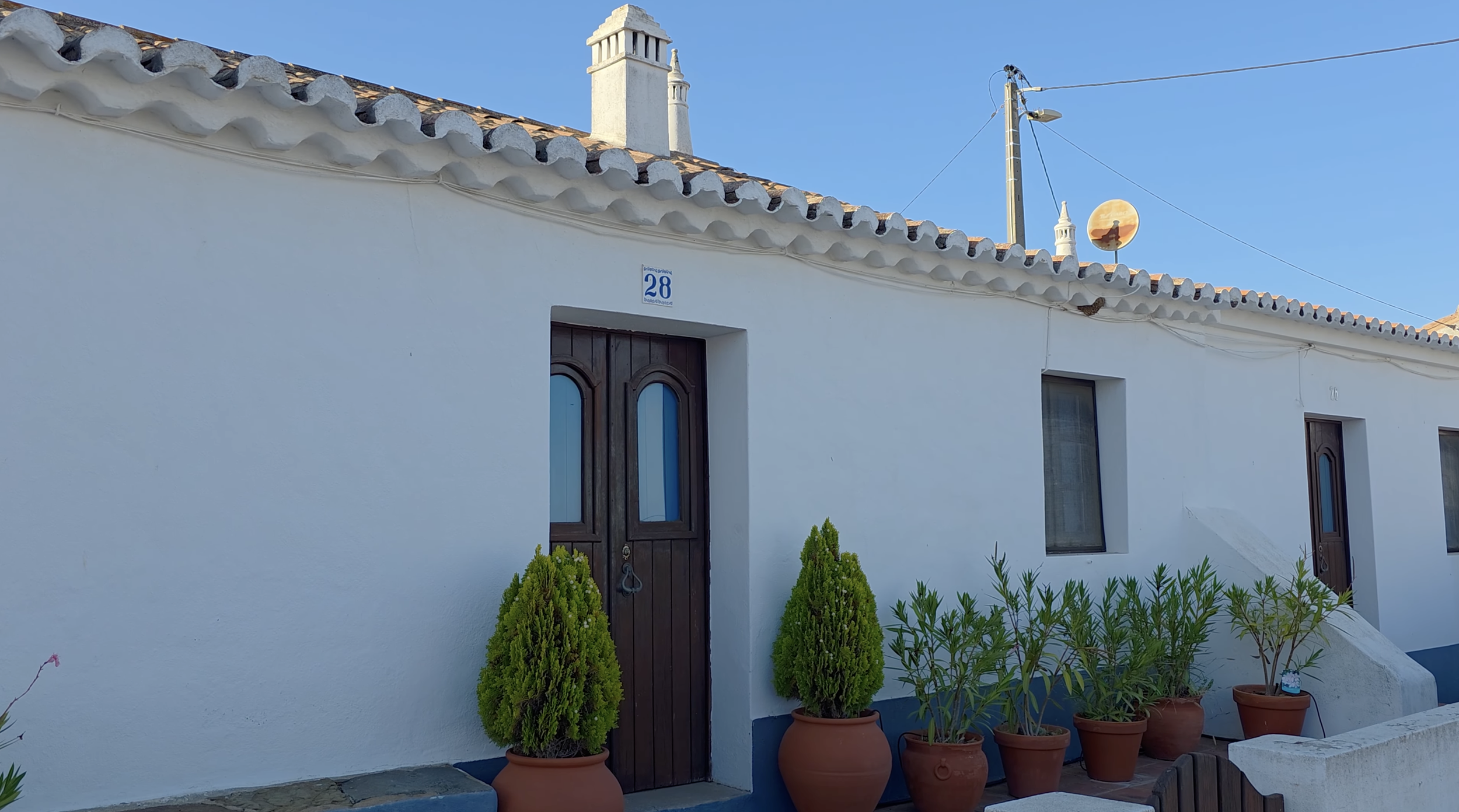
Barão de São João offers genuine rural living close to Lagos. You're about 20 minutes from the city and all its services, beaches, and nightlife. The national forest provides hiking and nature on your doorstep. The monthly market gives the village a regular social heartbeat.
The fire preparedness question is relevant here. This is the kind of area where land clearance obligations, fire-season awareness, and a prepared home are not optional. They're legal requirements and practical necessities. If you're coming from a country where wildfires aren't part of the landscape, this is something to understand before you commit.
Property prices in this part of the Lagos municipality are lower than the coast. You're in an area that attracts a certain kind of resident: people who value quiet, nature, and community over proximity to the beach.
Barão de São João at a Glance
Municipality: Lagos
Parish: Barão de São João (restored as independent parish March 2025)
Village population: approximately 380 (2021 estimate)
Former parish population: 895 (2011 census)
Parish area: 51.85 km²
Location: Western Algarve, approximately 20 minutes northwest of Lagos
Lagos: approximately 20 minutes by car
Faro airport: approximately 1 hour 15 minutes by car
Public transport: Onda bus route 6 from Lagos (approximately 44 minutes)
Key features: Monthly flea market (last Sunday of each month), Mata Nacional (national forest, ~5,000 hectares), Via Algarviana trail, Parque Zoológico de Lagos (Zoo), Pedra do Galo menhir, 17th century mother church
Fire season: 1 July to 30 September (officially; can be extended)
Frequently Asked Questions
How serious is the fire risk? Real, but manageable with proper preparation. Land clearance by 1 July is a legal requirement. The critical fire period runs July to September. Understanding the restrictions, preparing your property, and knowing your evacuation routes are essential if you're living in rural Portugal.
What's the monthly market like? It takes place on the last Sunday of each month at the village sports ground. It's a flea market with stalls selling jewellery, art, second-hand goods, and more. It functions as a community gathering as much as a market.
Is there a national forest nearby? Yes. The Mata Nacional de Barão de São João covers approximately 5,000 hectares northwest of the village, with six marked hiking trails and campsites. Take water, as there are no shops within the forest itself.
How far is the nearest beach? The coast (including beaches like Praia da Luz, Burgau, and others) is about 15-20 minutes by car to the south.
Thinking about relocating to the Algarve? We've been helping people make the move since our earliest days as a YouTube channel, and today we're a fully licensed real estate agency and certified tour operator. Whether you need help finding a home, understanding the visa process, or just want someone to show you around, get in touch through our website and let's chat about making the Algarve work for you. You can also explore our full range of relocation services here.
