
Living in Salir: The Honest Guide to One of the Algarve's Quietest Villages
Everyone wants the real Portugal until they find it. Then they try to change it.
That line stuck with us after visiting Salir, because this village asks a question that a lot of the Algarve doesn't: can you love a place without changing it? In Salir you won't find beach bars or English menus. What you will find is a village still living by its own rhythm, with candles in windows, processions through the streets, and neighbours who know your name.
But the last 15 years have brought change. The expat community has grown. Some integrate, others less so. There's more English in the air, a few new villas on the ridge, and just over the hill, places like the Ombria resort are rising with prices and priorities from another world.
We visited Salir as part of our Algarve Unlocked series. Here's our honest take. And it includes some honest frustrations.
📺 This article is a companion piece to our Algarve Unlocked video on Salir. Watch the full episode for the walking tour and Nick's unfiltered thoughts on the village.
Where Exactly Is Salir?
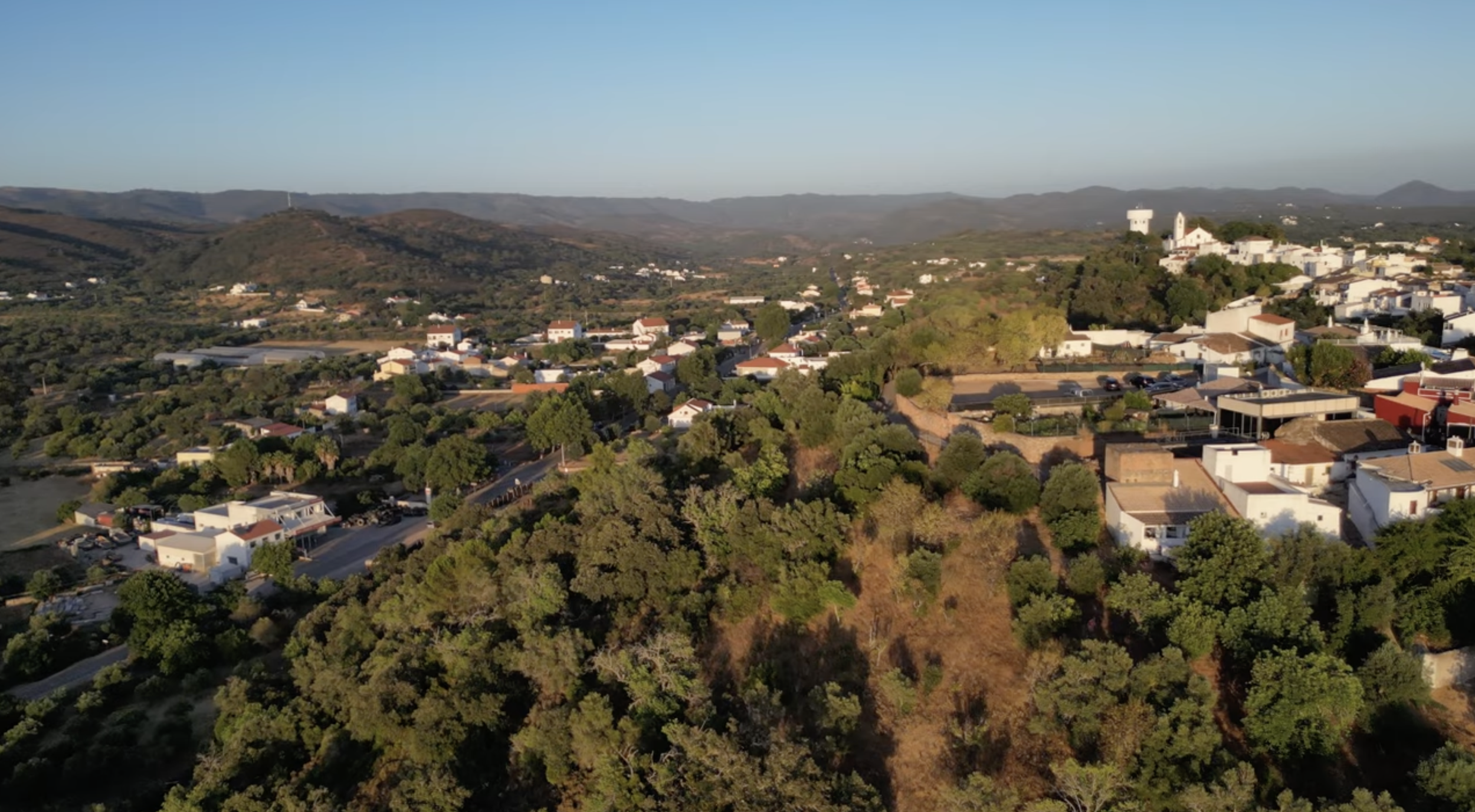
Salir is a civil parish (freguesia) in the municipality of Loulé, about 20 minutes' drive north of Loulé town, the Algarve's seventh largest city. The parish covers about 188 square kilometres with a population of 2,775 (2011 census). The village was elevated to town (vila) status in 1993.
It sits at the edge of the Serra do Caldeirão, the hill country that marks the northern boundary of the Algarve. The village is built across two hills: the eastern hill holds the parish church (Igreja Matriz) and the water tower, while the western hill has the ruins of the Moorish castle and a small chapel.
In practical terms, it's about 30 minutes to Albufeira, 30 minutes to Portimão, and 15 minutes to Armação de Pera from the surrounding area. The village of Alte is just down the road. There's no train station in Salir; buses service the town but, as with most inland Algarve villages, you need a car.
What's the Story with Salir Castle?
The area around Salir has been inhabited since at least the Neolithic period, and it's believed that Celts and Romans were here too, though hard evidence is limited.
The Moors occupied Salir in the 12th century and built the Castelo de Salir as part of an extensive network of Almohad defensive fortifications. It was a rural outpost designed to protect farmers from Christian raids, part of a line of castles stretching from Castro Marim through the interior. According to both Wikipedia and Visit Portugal, King Sancho I of Portugal conquered the settlement in 1189. The walls were reinforced at the end of the 12th century amid concerns about Moorish counteroffensives. The broader Christian reconquest of the Algarve was completed during the reign of King Afonso III in 1249, with D. Paio Peres Correia, commander of the Order of Santiago, playing a central role in the final campaigns.
Today the castle is essentially a ruin. Some foundations have been excavated, and you can walk the hilltop and see the remains. The Polo Museologico de Salir, a small museum near the castle site, exhibits archaeological finds from the settlement including items dating to the 12th century Moorish occupation.
Salir also has its own local legends. According to Visit Portugal, these include the legends of the Enchanted Moorish Girl, the Moorish Girl's Belt, and the Golden Comb, all of which are part of the broader Portuguese tradition of "moura encantada" folklore.
What Does the Village Feel Like?
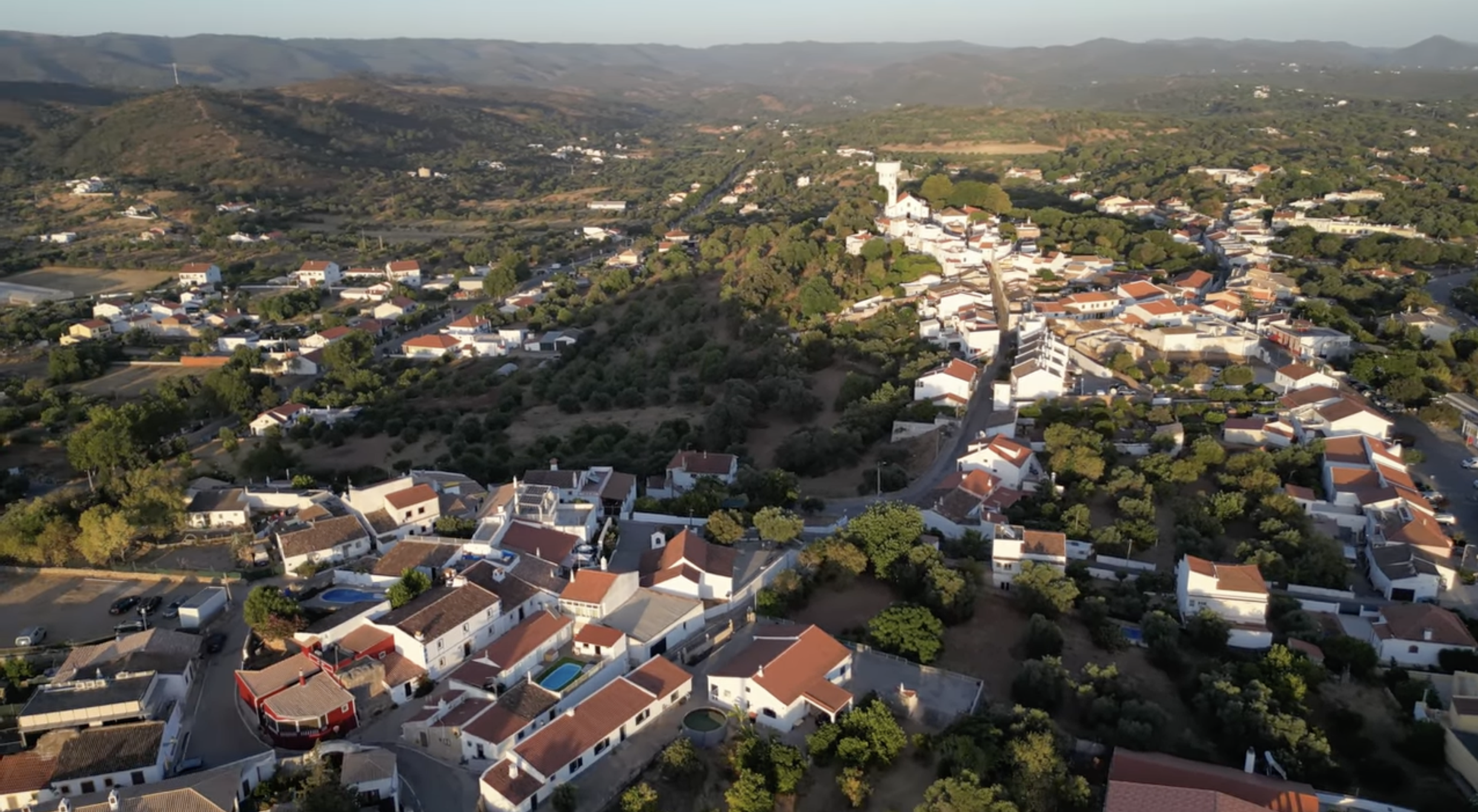
Slow. That's the honest answer.
Nick walked the village, visited the castle hilltop, checked out the church and the museum, strolled through the gardens, and came away with a word he used several times: slow. This is a genuinely quiet place. There's a handful of restaurants and cafes, a couple of events during the year, and not much else in terms of visible activity.
If you want to live here, you need to actively integrate. You need to learn Portuguese, at least enough to get by. You need to engage with the local community, attend events, make an effort. This is not going to be a heavily social environment by default. The social life that exists here is the one you build for yourself within the existing community.
Nick tried to interview the president of the Junta de Freguesia and it didn't work out (scheduling kept falling through). He also spoke to a long-term foreign resident who was opposed to more publicity for the village, arguing that too many foreigners had already arrived. Nick respected the opinion while noting the irony. But the experience coloured his impression. He was honest in the video: Salir left him with a less than wonderful feeling, which is unusual for him. If you love Salir, he genuinely wants to hear why.
What's in Salir?
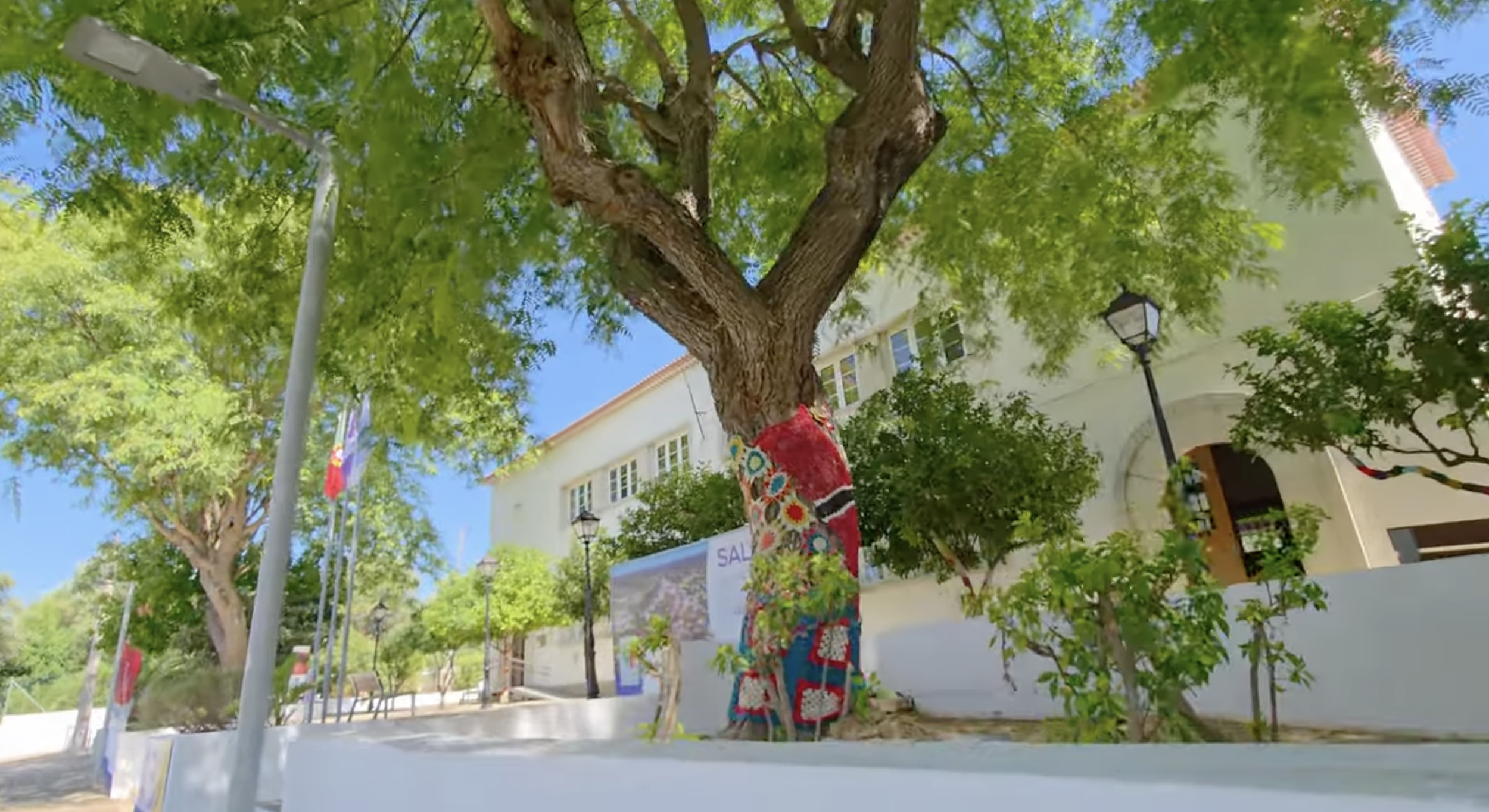
For practical amenities, the village has more than you'd expect for its size. There's a government medical clinic (Centro de Saúde), a pharmacy, a school catering for children, and a sprinkling of mini markets plus a Spar grocery store (which Nick noted appears on some maps under a different name, having recently been rebranded). There's even a butcher.
The parish church, the Igreja Matriz, sits on the eastern hill near the water tower. The castle ruins and chapel are on the western hill. The Polo Museológico de Salir is near the castle.
From the hills, you can see the Rocha da Pena, a 480-metre classified geological site and protected landscape about 7 kilometres from the village. The surrounding landscape is classic Barrocal: cork, carob, figs, almonds, and the arbutus trees whose fruit is distilled into medronho, the Algarve's famously strong local spirit.
Salir is also close to Humkara Dzong, a Tibetan Buddhist community founded in 1982 by Lama Kunzang Dorje. A five-metre Stupa was built and consecrated there in 2008, the first of its kind in Portugal, on a hilltop with views across the Algarve to the Atlantic.
Where to Eat in Salir
The restaurant scene is small but covers the essentials.
Janela da Horta is probably one of the better restaurants in town, located near the main walking route through the village.
A Vila is a restaurant on the main road up in the town that Nick described as "lovely."
Rockin' Pizza is also worth checking out if you want something informal.
There's a community-style restaurant (possibly associated with the local association) that Nick described as "great value and a proper Portuguese slice of life."
A cafe near the centre is good for breakfast and coffee.
Nick noted that the eating options, while limited, are perfectly adequate. You won't go hungry.
Could You Actually Live Here?
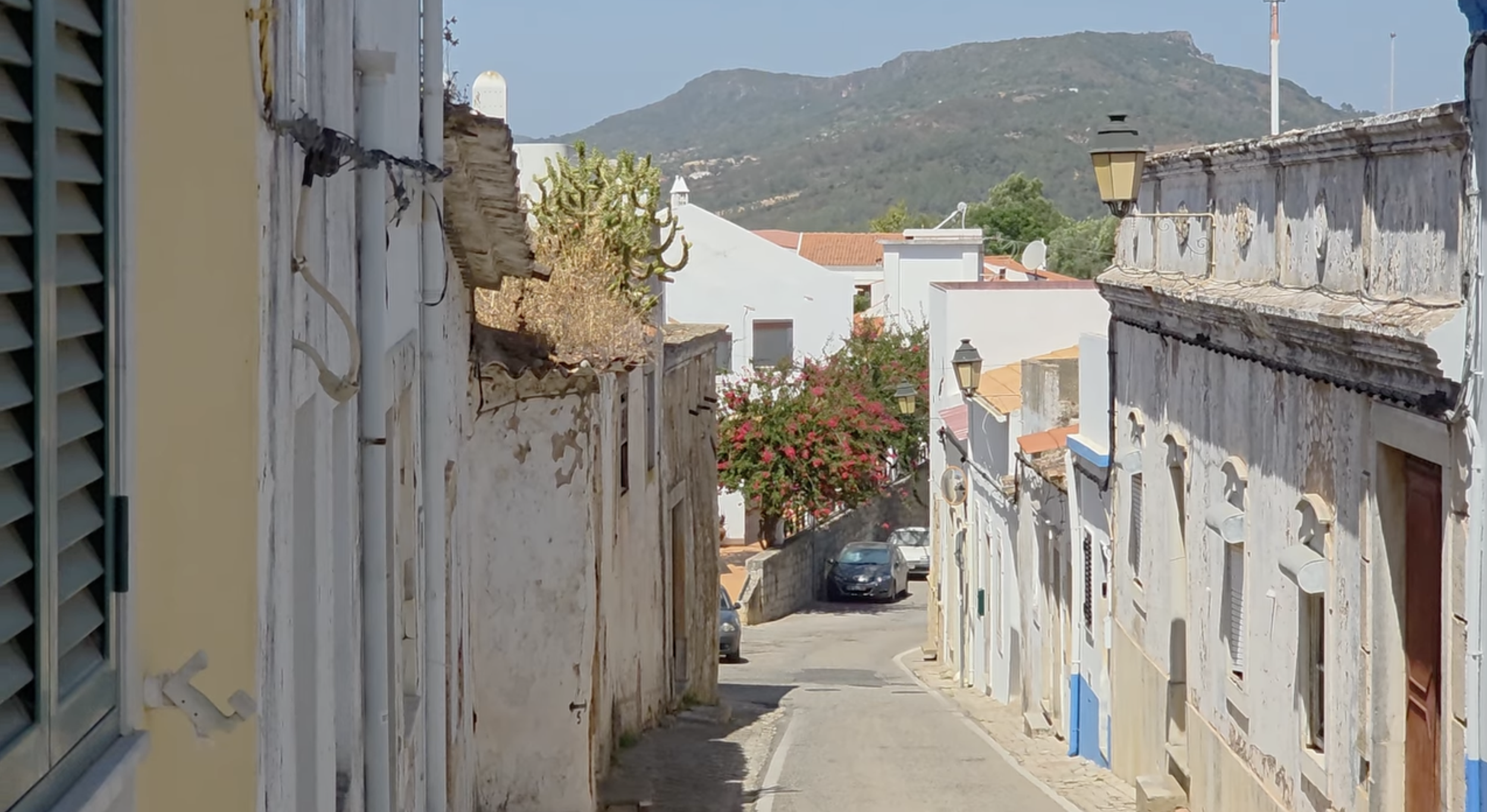
This is where Salir asks something different from the coastal towns. It's not asking "can you afford it?" or "is there enough to do?" It's asking "are you willing to slow down enough to belong here?"
The expat community is present but growing in a way that creates tension. Some integrate well. Others bring expectations shaped by the coast and struggle with the reality that inland village life operates on completely different terms. The village still has its traditional festivals and processions, its church life, its agricultural rhythm. But as Nick observed, the presence of developments like Ombria (just over the hill) is changing the landscape, literally and economically.
Property here is significantly cheaper than the coast. You're in the municipality of Loule, so you benefit from municipal services, and Loule town is only 20 minutes away. Alte is nearby for variety. The Serra do Caldeirao offers some of the best hiking and cycling in the Algarve.
But the trade-offs are the same as any inland Algarve village: you need a car, you need to speak Portuguese, the nearest beach is a proper drive away, and the social options are limited to what the community provides and what you create.
If you want Portugal as it was before tourism changed the coast, Salir is one of the closest versions you'll find in the Algarve. The question is whether you're willing to live on its terms.
Salir at a Glance
Municipality: Loulé
Parish population: 2,775 (2011 census)
Parish area: 188 km²
Location: Inland Algarve, 20 minutes north of Loule, on the edge of the Serra do Caldeirão
Loulé: approximately 20 minutes by car
Faro airport: approximately 40 minutes by car
Nearest coast: approximately 30 minutes by car
Public transport: Bus service; no train station
Schools: Local school
Health facilities: Government clinic, pharmacy
Shopping: Mini markets, Spar grocery store, butcher
Key attractions: Castle ruins (12th century Almohad), Polo Museológico de Salir (museum), Rocha da Pena (7km away), Humkara Dzong Buddhist community and Stupa
Town status: Elevated to vila in 1993
Frequently Asked Questions
How far is Salir from the coast? The nearest beaches are roughly 30 minutes' drive south. You're firmly inland here, in the Barrocal hill country between the coast and the Serra mountains.
Is there an expat community in Salir? Yes, and it's been growing over the past 15 years. But this is still fundamentally a Portuguese village. Integration requires effort, and learning Portuguese is strongly recommended.
What's the Rocha da Pena? A 480-metre classified geological site and protected landscape about 7 kilometres from Salir. It's a dramatic limestone outcrop and a popular hiking destination with excellent views.
Is Salir near Alte? Yes, Alte is just down the road. The two villages are often mentioned together and both fall within the municipality of Loule.
What about the Ombria resort nearby? Ombria is a luxury resort and residential development located in the hills near Salir. It represents a very different market from the village itself and has brought investment, employment, and also concerns about changing the character of the surrounding area.
Thinking about relocating to the Algarve? We've been helping people make the move since our earliest days as a YouTube channel, and today we're a fully licensed real estate agency and certified tour operator. Whether you need help finding a home, understanding the visa process, or just want someone to show you around, get in touch through our website and let's chat about making the Algarve work for you. You can also explore our full range of relocation services here.
