
Living in the Algarve Year Round: The Honest Version
Most people fall for the Algarve in June.
You come for a week, the light is extraordinary, you eat outside every night, and somewhere around day four you find yourself looking at property listings on your phone at midnight. We've all done it. That's genuinely how a lot of people end up here.
The problem is that June is not a year. And the single biggest reason people move to the Algarve and leave again within two years is that they bought a holiday and got a life instead.
So here's the honest version. Not the brochure, not the doom, just what twelve months here actually feels like, and what we'd want to know if we were deciding again.
Let's start with what's genuinely brilliant
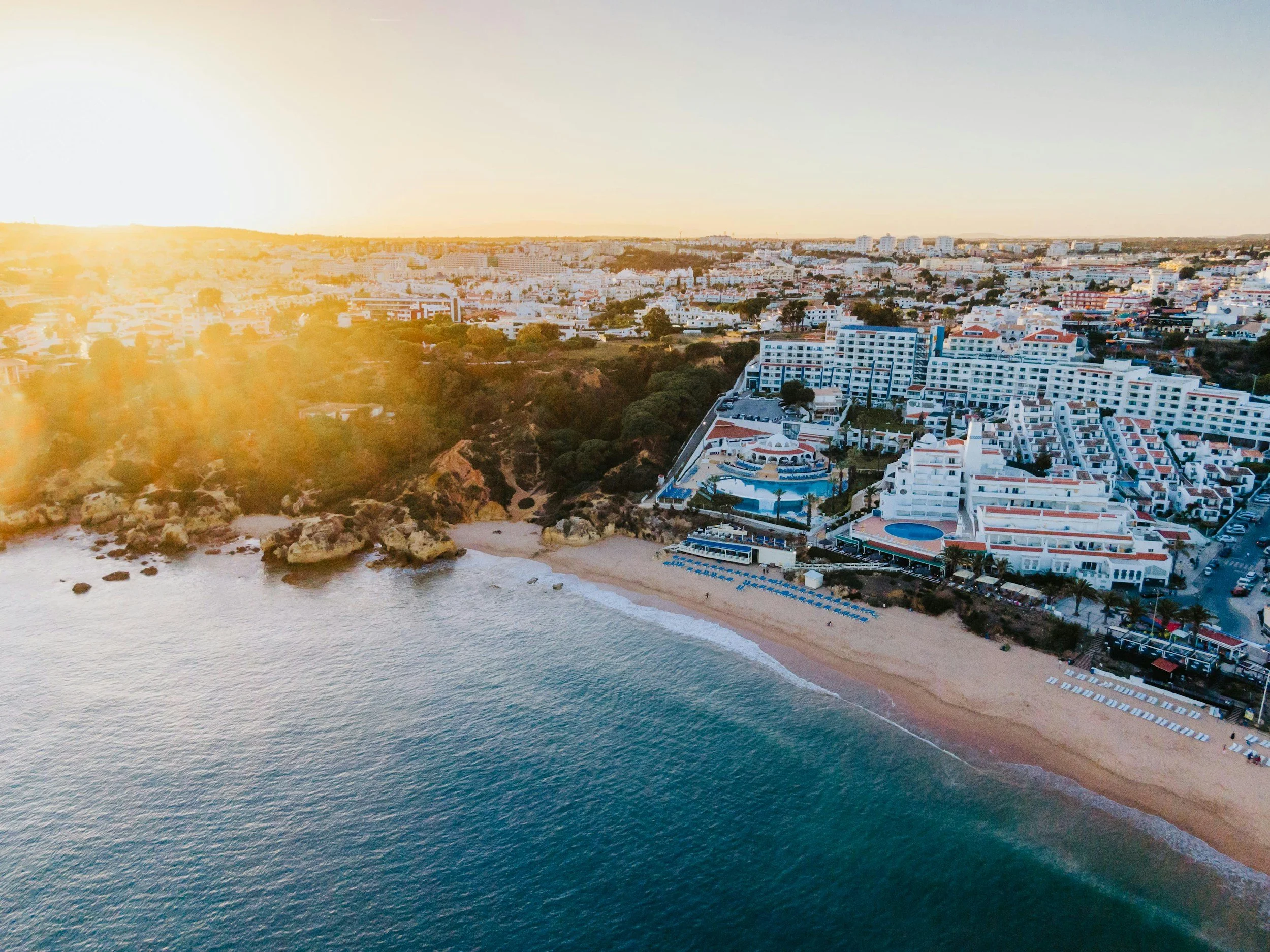
The weather really is as good as people say, and we should say that plainly before getting into the caveats.
Winter days here are mild. In Faro, average daytime highs sit around 16°C in December and January and 17°C by February, and the coldest month averages about 12°C overall. Frost is rare on the coast. You'll have days in January where you're eating lunch outside in a t-shirt, and that isn't a fluke, it happens most winters.
Rainfall is genuinely low, around 500mm a year, and it's concentrated between October and March. Even then it tends to arrive in bursts rather than the relentless grey drizzle that drives northern Europeans south in the first place.
So the climate is not the catch. The catch is what that climate does to how houses get built.
The thing nobody warns you about: your house will be cold

This is the one. If you take a single thing from this article, take this one.
Portuguese homes are built for summer. They're designed to stay cool, with tiled floors, thin walls and generous windows. That's wonderful in August. In January it means the temperature inside your house can be genuinely lower than outside, and it stays that way all day.
The numbers back this up and they're startling. Around 75% of Portugal's building stock lacks minimum thermal insulation. Only about 14% of homes have central heating, roughly 578,000 out of 4.1 million. A quarter of the population lives in housing with damp, leaks or rot. And despite the mild climate, Portugal has one of the highest excess winter mortality rates in the EU, second only to Malta, with the national health institute attributing around 400 deaths a year to cold.
Read that again, because it's counterintuitive and important. People are not dying of cold in Portugal because Portugal is cold. They're dying because the houses are.
What this means in practice: you will feel colder in a Portuguese house at 15°C than in a British or German house at 15°C, because of damp, cold surfaces and no background heat. Newcomers consistently describe their first winter as a shock, and it's almost always about the house rather than the weather.
The good news is that this is a solvable problem, and solving it is mostly about knowing before you buy or rent.
Look for double glazing and check whether it's genuine. Ask about insulation, particularly in the roof. Find out what heating actually exists rather than accepting "it's fine, it's the Algarve." A modern air conditioning unit that runs as a heat pump is the cheapest effective heating most people here use, and a lot of homes already have them, they just get thought of as cooling. Wood burners are common inland and make a big difference. And almost everyone ends up owning a dehumidifier, which does more for comfort than people expect because damp air feels far colder than dry air.
If you're viewing property in July, ask specifically what the place is like in January. A straight answer tells you a lot about the seller.
Winter: what actually changes
The weather stays decent. The place empties.
How much it empties depends enormously on where you are, and this is probably the most useful thing we can tell you about choosing a town.
Towns that stay alive all year are the ones with real Portuguese populations and economies that don't depend on tourists. Faro, Loulé, Olhão, Tavira, Silves, Portimão and Lagos all keep functioning through winter. The cafés stay open, the markets run, there are people on the streets in February, and you can get a plumber. Life continues.
Towns that largely shut down are the purpose-built resort areas. Parts of Albufeira, Vilamoura, Praia da Rocha, Alvor, Carvoeiro, Armação de Pêra and Praia da Luz go remarkably quiet. Restaurants close for months. Some streets feel genuinely abandoned. If you've only visited in August, the contrast in November is difficult to imagine and genuinely unsettling for some people.
Neither is wrong. Some people love a quiet winter with the beach to themselves. But you need to choose it deliberately rather than discover it in your first November.
Our honest advice: if you're planning to live here full time, be very cautious about buying somewhere you've only ever seen in season. And if you're at all unsure, rent through a winter first. It's the single best money you'll spend, and it's the advice we give more than any other.
Summer: the other extreme
Nobody warns you about winter, and almost nobody warns you about August either.
The Algarve's population swells enormously in summer. The roads get busy, the good restaurants need booking, the beaches you had to yourself in March are full, and the EN125 becomes an exercise in patience. Prices climb across the board. Holiday rentals that go for €40 to €70 a night in January can run €150 to €250 in August, and that seasonality ripples through everything.
The heat inland is a separate consideration. The coast is tempered by the Atlantic, but head into the hills and midsummer afternoons get seriously hot in a way that catches people out, particularly older residents.
There's also fire risk to be aware of if you're looking inland or in the hills. It's a real consideration in the Algarve's interior during the dry months, and it's worth asking about access, clearance obligations around the property and local history before buying somewhere rural. Not a reason to avoid inland living, plenty of people love it, but it belongs on your checklist.
Plenty of long-term residents quietly plan to be elsewhere in August, or simply adjust: shop early, swim early, disappear indoors in the afternoon, come out in the evening like everybody else.
The months nobody talks about, which are the best ones
Spring and autumn are the Algarve's real gift, and they're barely marketed because they don't fit the package holiday calendar.
March through May the countryside is green, the wildflowers are absurd, the almond and citrus are going, the sea is still cold but the air is perfect. September and October give you warm sea, empty beaches and comfortable heat.
Ask people who've lived here a decade what their favourite month is, and almost nobody says August. It's usually May or October.
If you're planning exploratory visits before committing, going in February and again in October will tell you far more than another week in summer.
Water: the story has changed
You'll read a lot online about drought in the Algarve, and for several years that was the dominant story, with real restrictions on consumption.
The current picture is much better. Following a wet 2025/26 hydrological year, Algarve reservoirs recovered dramatically, reaching storage levels the Portuguese Environment Agency described as the best ever recorded, averaging above 90%, with Bravura close to full. Groundwater levels recovered above long-term averages, and in May 2026 restrictions on new groundwater licensing were lifted across most of the region.
That's genuinely good news, and most articles you'll find are out of date on it.
But keep perspective. The Algarve is a dry region in a warming part of Europe, water demand peaks exactly when supply is tightest, and long-term pressure hasn't gone away. Reservoirs full in 2026 doesn't mean the structural question is settled. It's not a reason to hesitate. It is a reason to be sensible about things like pools and thirsty gardens.
The social side, which matters more than people expect
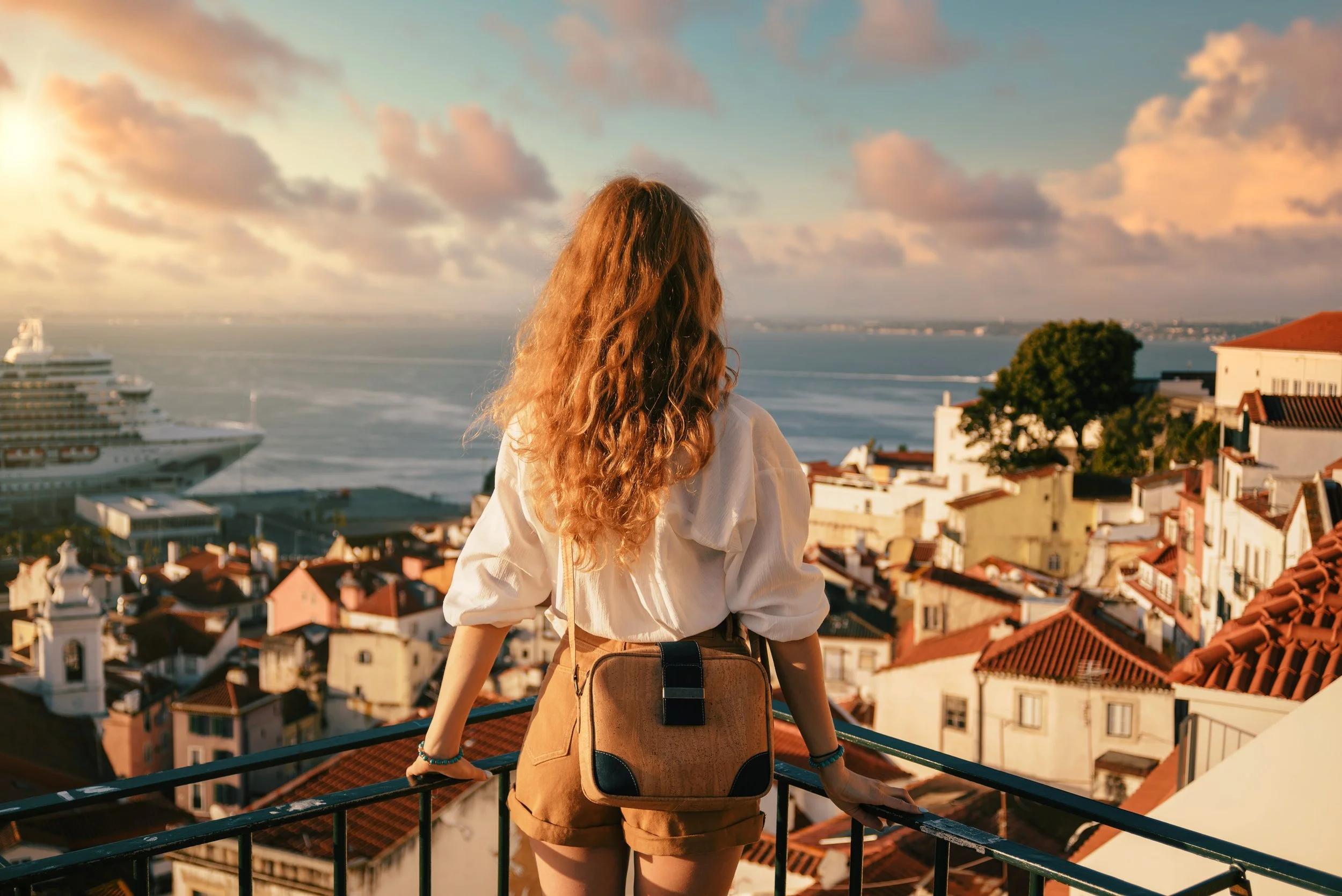
Here's something that catches people out more than the weather does.
Winter thins the community. A significant slice of the foreign population here is seasonal, and they go home. If your social circle is mostly other newcomers, November can feel lonely in a way you didn't anticipate.
The people who settle well are almost always the ones who built something that doesn't depend on the season. That might mean learning Portuguese, even badly. It might mean joining something, a walking group, a padel club, a choir, a volunteer thing. It usually means living somewhere with a year-round population rather than a resort.
The pattern we see: people who struggle in their first winter usually aren't struggling with the Algarve. They're struggling with an empty resort town, a cold house and a social life that flew home in October. All three are choices you can make differently.
So what does this mean for you?
If you're retiring here, prioritise a town that functions year round and a house you can actually heat. Proximity to healthcare and the ability to walk to a café, a market and a pharmacy will matter far more in year five than the sea view does in year one. Damp and cold are health issues, not comfort issues, particularly with respiratory or cardiovascular conditions.
If you're coming with work and kids, think about winter infrastructure. Is there a year-round community, are there activities that run in February, will your children have friends who don't leave in September? Faro, Loulé, Lagos and Tavira tend to work better for this than the resort strips. Check internet properly at the specific address rather than trusting regional averages.
If you're a remote worker, you'll probably love the shoulder seasons and find August harder than expected. The quiet winter that empties resort towns is exactly what a lot of remote workers want, so long as you've solved the cold house problem and have some social structure.
Frequently asked questions
What is winter really like in the Algarve?
Mild outdoors and colder indoors than you'd expect. Daytime highs in Faro average around 16°C in December and January, with rain concentrated between October and March. The bigger adjustment is housing: Portuguese homes are built for summer, so many are poorly insulated and feel cold and damp in winter.
Are Portuguese houses really that cold?
Often, yes. Around 75% of Portugal's building stock lacks minimum thermal insulation and only about 14% of homes have central heating. Portugal has one of the highest excess winter mortality rates in the EU despite its mild climate, largely because of housing quality rather than outdoor temperature.
Does the Algarve shut down in winter?
Parts of it do. Purpose-built resort areas like Vilamoura, Praia da Rocha, Alvor and stretches of Albufeira go very quiet, with many restaurants closing for months. Towns with real year-round populations, such as Faro, Loulé, Olhão, Tavira, Lagos, Silves and Portimão, keep functioning normally.
Which Algarve towns are best for living year round?
Generally the ones with established Portuguese communities rather than tourist economies. Faro, Loulé, Olhão, Tavira, Lagos, Silves and Portimão all stay active through winter, with services, markets and social life that don't disappear in October.
Should I rent before buying in the Algarve?
We'd strongly recommend it, ideally through a winter. It's the most reliable way to find out whether a town suits you year round, and it costs far less than discovering you bought in the wrong place.
Is there still a drought in the Algarve?
The situation improved substantially. After a wet 2025/26 hydrological year, Algarve reservoirs reached the best levels on record, averaging above 90%, and groundwater licensing restrictions were lifted across most of the region in May 2026. Long-term water pressure remains a structural issue for a dry region, but the acute crisis of recent years has eased.
When is the best time of year in the Algarve?
Ask long-term residents and most say spring or autumn rather than summer. March to May and September to October give you warm weather, manageable crowds and the region at its best. August is the hottest, busiest and most expensive month.
What's the hardest part of the first year?
For most people it's the first winter, and specifically the combination of a cold house, a quieter town than they expected and a social circle that thinned out. All three are much easier to handle if you've anticipated them.
The bottom line
The Algarve is a genuinely wonderful place to live year round. We're still here, and we're not selling anything by saying that.
But it rewards people who arrive with their eyes open. Choose a town that's alive in February, not just in August. Take the house's winter performance as seriously as its view. Build a life that doesn't board a plane in October. Do those three things and the Algarve is very hard to beat.
Come expecting a permanent holiday and the first winter will be a difficult conversation with yourself.
If you're weighing up areas and want a straight answer about what somewhere is actually like off-season, drop us a message. We'd rather tell you the truth now than have you find out in November.
Sources and further reading
Last updated: 20 July 2026. Climate figures are long-term averages from IPMA; individual years vary. Water and reservoir data reflect the position reported in mid-2026.
