
The Algarve Addicts Blog
Relocation · Life · Guides · The Algarve
Archive: every post

The Algarve isn't built around a high street, but it has a serious set of shopping centres, a world-class outlet and proper luxury boutiques. Here's how MAR Shopping, Forum Algarve and the rest fit together.

Around week two, everyone asks the same thing: "where's Amazon?" The confusing answer is that there's no amazon.pt at all. The reassuring one is that it barely matters. Here's how to shop Amazon from Portugal, which site to use, and how to get Prime working at your door.

Portugal's old NHR tax regime has closed to new applicants, but IFICI, nicknamed NHR 2.0, offers a flat 20% rate for ten years to people in qualifying professions. Here's who qualifies and how to apply.
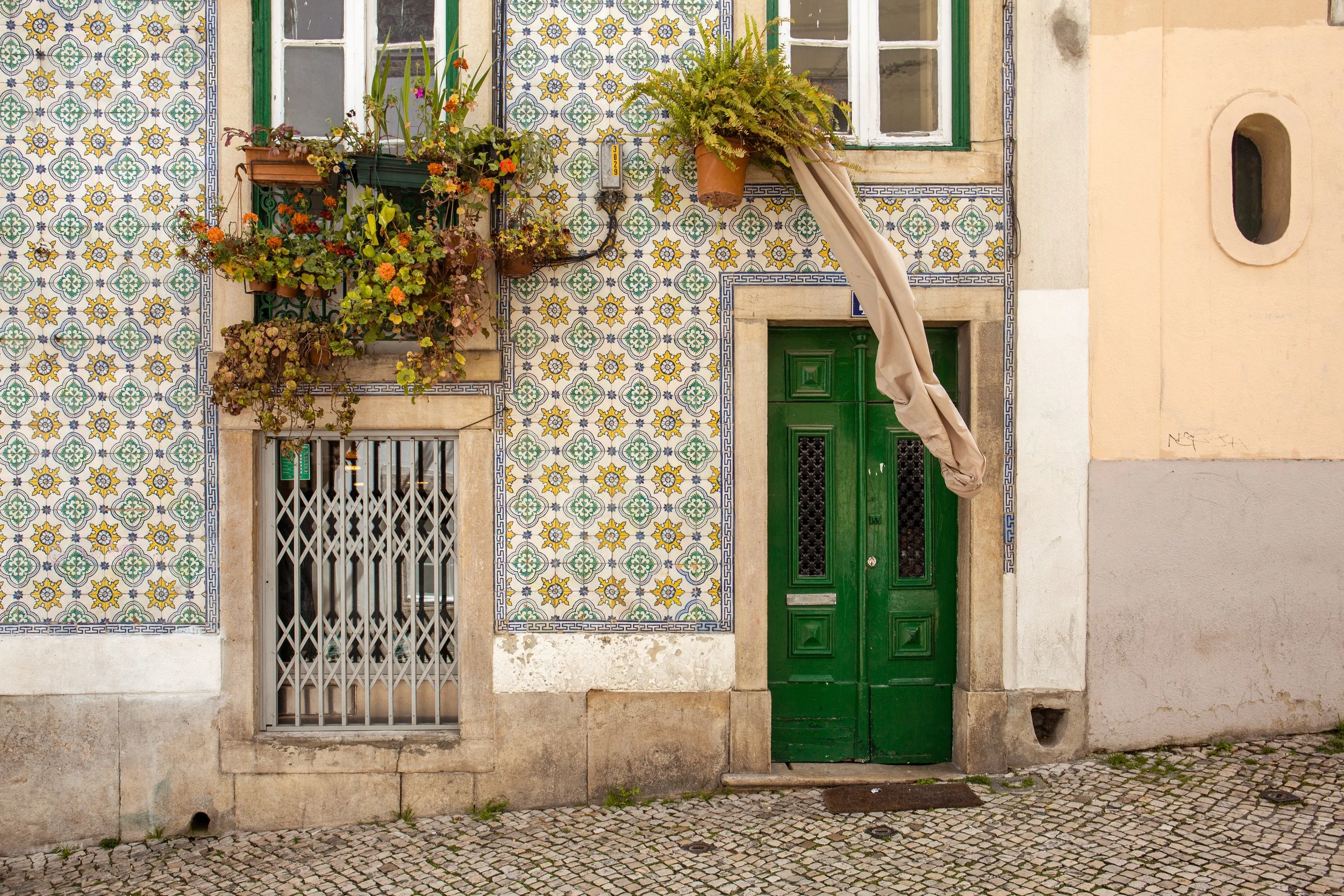
Lovely pool, handy annex, a garage that's quietly become a studio. Then the lawyer pulls the paperwork and none of it's licensed. Here's what actually goes wrong with Portuguese property records, the documents that expose it, and how to check before you sign, not after.

Portugal's internet is genuinely excellent, often faster and cheaper than what you left behind. The catch isn't the network, it's the paperwork and the 24-month lock-ins. Here are the four main providers, real prices, the NIF trap, and what to do if your new place is rural.

Most people fall for the Algarve in June. But June isn't a year, and the biggest reason people move here and leave again is that they bought a holiday and got a life instead. Here's what twelve months actually feels like, including the bits nobody warns you about.

Ask anyone who's moved to Portugal what the hardest part was and almost nobody says the house or the language. They say AIMA. Here's how appointments really work in 2026, what the waits actually look like, and what your options are when the system leaves you stuck.
Heard that Portuguese landlords can now demand three months' rent in advance and unlimited deposits? It's based on a real reform, but it isn't law yet. Here's what the July 2026 changes actually say, and what still applies to your lease right now, in plain English.

Those Instagram posts about a new Portuguese property law? They're real. We read all 132 pages of Decreto-Lei 108/2026 so you don't have to. Here's what it actually changes for buyers, sellers and anyone renovating in the Algarve, in plain English.

The Algarve has won the World's Leading Beach Destination award four times, attracts over 5 million visitors a year, and gets more than 300 days of sunshine annually. But what is the Algarve actually famous for once you look past the resort brochures? We've lived here for over two decades. Here's the real answer.

If you're relocating to Portugal, you'll hear about the Loja do Cidadão sooner or later. It translates roughly as "Citizen's Shop" and it's where you go to handle government paperwork face to face. Social Security, tax office, civil registration, immigration services, utility providers: all under one roof. Here's how it works, what services are available, and how to schedule an appointment.

Thinking of selling property in Portugal? Here's a plain-English breakdown of how capital gains tax works in 2026, who pays what, and how to legally reduce your bill.

Portugal's property market in April 2026: prices up 18.7% year-on-year but transaction volume down 9.4% in Q1. Euribor at 2.475%. New EU short-term rental enforcement from 20 May. Construction code update on 1 June. Plus a regional breakdown covering Lisbon, Porto, the Algarve, and Setúbal, and what the 180% price rise over the past decade actually means in context.

A three-bedroom beachfront apartment at Bayline in Armação de Pêra, built in 2023, with 217m² of living space, hardwood floors throughout, ducted air conditioning, two sea-view terraces, and two underground parking spaces. The gated development sits on two hectares of landscaped gardens with a pool, spa, gym, and concierge. Property feature by Nick Smith.

In this guide, we uncover what makes Algarve wine tours so special—from boutique producers and authentic tasting experiences to the region’s growing reputation for quality and innovation. You’ll learn why DIY wine tours can be challenging, how to navigate the logistics, and the best ways to experience Algarve’s evolving wine scene—whether through guided tours or planning your own route.

Just days before filming, a wildfire raged north of Barão de São João. The village was safe, but the smoke and helicopters were a sharp reminder that living in rural Portugal means understanding fire risk. This article covers both the village itself and the practical fire preparation every rural resident needs to know.

Down at the Lagos marina, the Ribeira de Bensafrim flows past million-euro yachts and cocktail bars. But trace that river upstream and you end up in a completely different world: Bensafrim, a small town of just under 1,000 people where farmers drink Super Bock in the cafe and tractors park outside whitewashed houses. For centuries this was a crossroads. Today it's a satellite town where half the locals commute into Lagos for work. We went to explore.

They say Benafim was built here for one reason: water. But look around and there's no river, no lake, not even a trickle. The answer is underground. This small village of around 400 people sits on top of the Querença-Silves aquifer, the largest and most important aquifer system in the Algarve, and its story is one of survival, adaptation, and the question of what keeps small inland villages alive.

What happens when a village that hasn't changed much since Roman times gets a €260 million luxury resort built on its doorstep? Querença and Ombria sit barely minutes apart in the hills north of Loulé, but they could be in different centuries. We visited both to see what each offers and whether they can coexist.

Vila do Bispo has always been a meeting place of cultures. Phoenicians, Romans, Moors, Visigoths, and now a community where almost half the residents are foreign-born. This is the end of the world, literally, and the people who choose to live here do so with intent. We went to find out why.

Everyone wants the real Portugal until they find it. Salir is about as real as it gets in the Algarve: a quiet hilltop village 20 minutes north of Loule with a Moorish castle ruin, a handful of restaurants, and a community that still gathers for processions and local festivals. But as more expats arrive, something's shifting. Here's what we found.

Before the Golden Triangle existed, before Faro airport opened, two British companies bought a stretch of pine forest and sand dunes on the Algarve coast and built what would become Portugal's first luxury resort. More than 60 years later, Vale do Lobo is a self-contained world with around 1,500 properties and its own restaurants, golf courses, tennis academy, and beach clubs.

In the 1960s, the Algarve's traditional pottery was dying out. Then two artists set up a kiln in Porches and brought it back to life. More than 50 years later, the village is still shaped by that decision. With around 800 residents, good schools nearby, a surprisingly strong food scene, and genuine character, Porches is one of the central Algarve's quieter treasures.

Benagil Cave is Portugal's most photographed sea cave, but the rules changed dramatically in August 2024. You can no longer swim in, paddle in solo, or set foot on the sand inside. Here's what's actually happening, what the fines are, and why the tiny village of Benagil deserves your attention too.

Most people visit the Algarve for the beaches. Culatra Island has some of the best in the region, but that's not why it matters. This is a working fishing community on a barrier island in the Ria Formosa, accessible only by boat, with no cars, no roads, and a way of life that feels completely different from anything on the mainland coast. We went to explore all three villages.

Most Algarve towns were shaped by the sea and tourism. Alcoutim was shaped by the river, trade routes, and its position on the Portuguese-Spanish border. With around 424 residents and the lowest population density in Portugal, it's about as far from the tourist coast as you can get while still being in the Algarve. We went to find out what life here really feels like.

Most people drive past Paderne on the motorway without ever knowing it's there. But this village of 341 people has a Moorish castle that sits on the Portuguese national flag, a music society older than most countries, and the kind of community spirit that the coast lost decades ago. We went to find out what life here really feels like.

Alte sits quietly in the Algarve hills, just 16 kilometres from the coast but a world away from it. We walked the cobblestone streets, grabbed coffee at a bike cafe that's been going since the 1930s, and sat down with Fiona, a cycling tour operator who left the coast behind to make Alte home. Here's our honest take on village life in the real Algarve.

Carvoeiro is one of the Algarve's prettiest coastal villages, but looks can only tell you so much. We spent time walking the streets, talking to long-time residents, and digging into what daily life here actually feels like, both in and out of season. Here's what we found.

The D7 visa is one of the most popular routes for people relocating to Portugal, and for good reason. It's affordable, it's accessible, and it opens the door to life in one of the safest and most welcoming countries in Europe. Here's everything you need to know about qualifying, applying, and making it work.
The D7 visa is one of the most popular routes for people relocating to Portugal, and for good reason. It's affordable, it's accessible, and it opens the door to life in one of the safest and most welcoming countries in Europe. Here's everything you need to know about qualifying, applying, and making it work.
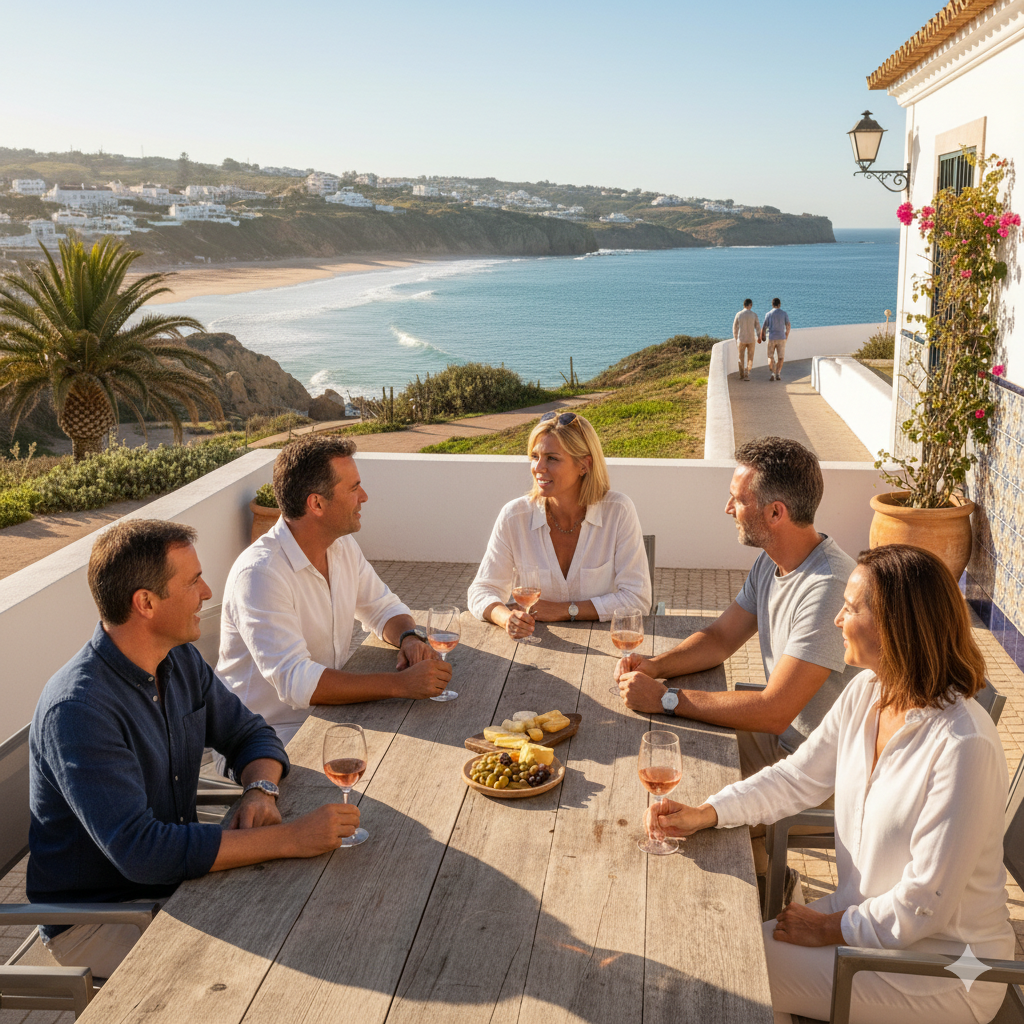
Portugal consistently ranks among the safest countries on the planet, and the Algarve is one of the most peaceful corners of an already peaceful nation. But what does that actually mean for someone planning to relocate? We dig into the real numbers, talk about what day-to-day life feels like in southern Portugal, and cover the practical safety tips every newcomer should know before making the move.

Confused about how much Portuguese you actually need to live in Portugal? The internet's full of conflicting advice—some say you absolutely must learn it, others claim they've survived years with just English.
Here's the reality: location changes everything. Coastal Algarve? English works fine. Rural areas? Portuguese essential. The A2 test for permanent residency isn't scary—it's basic functional Portuguese covering shopping and simple conversations.
But it's not about legal requirements. It's about whether you want to live in Portugal or just exist here temporarily.
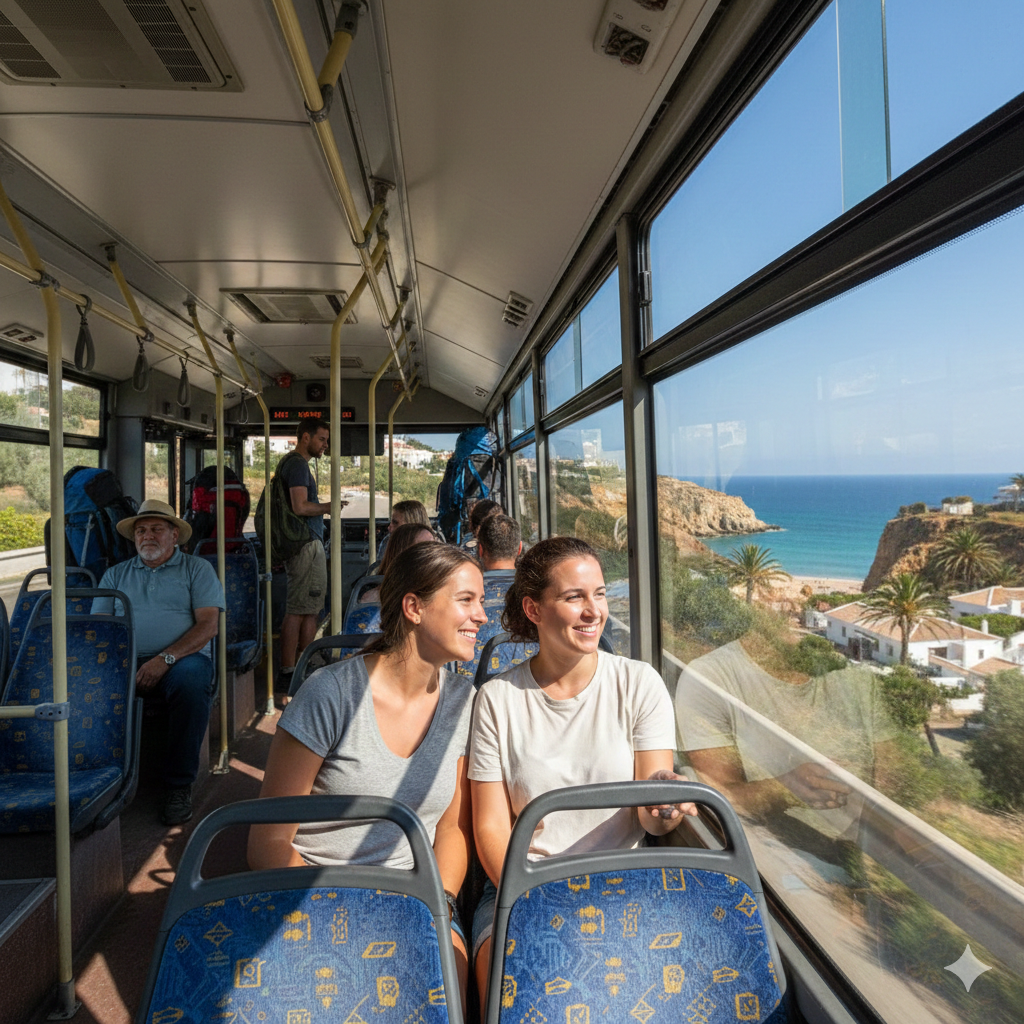
Thinking you need a car to live in the Algarve? Think again. While having your own wheels definitely gives you more freedom, you can absolutely get around without one if you choose your base strategically. From Lagos' walkable historic center to Tavira's pedestrian-friendly streets, several towns offer genuine car-free living. The train connects major coastal towns, buses reach most villages (though timetables can be patchy), and cycling infrastructure is steadily improving. We'll break down the real transport options, show you which beaches you can actually reach on foot, and reveal where public transport falls short. Plus, discover the best towns for car-free expat life and when you might genuinely need to call a taxi.
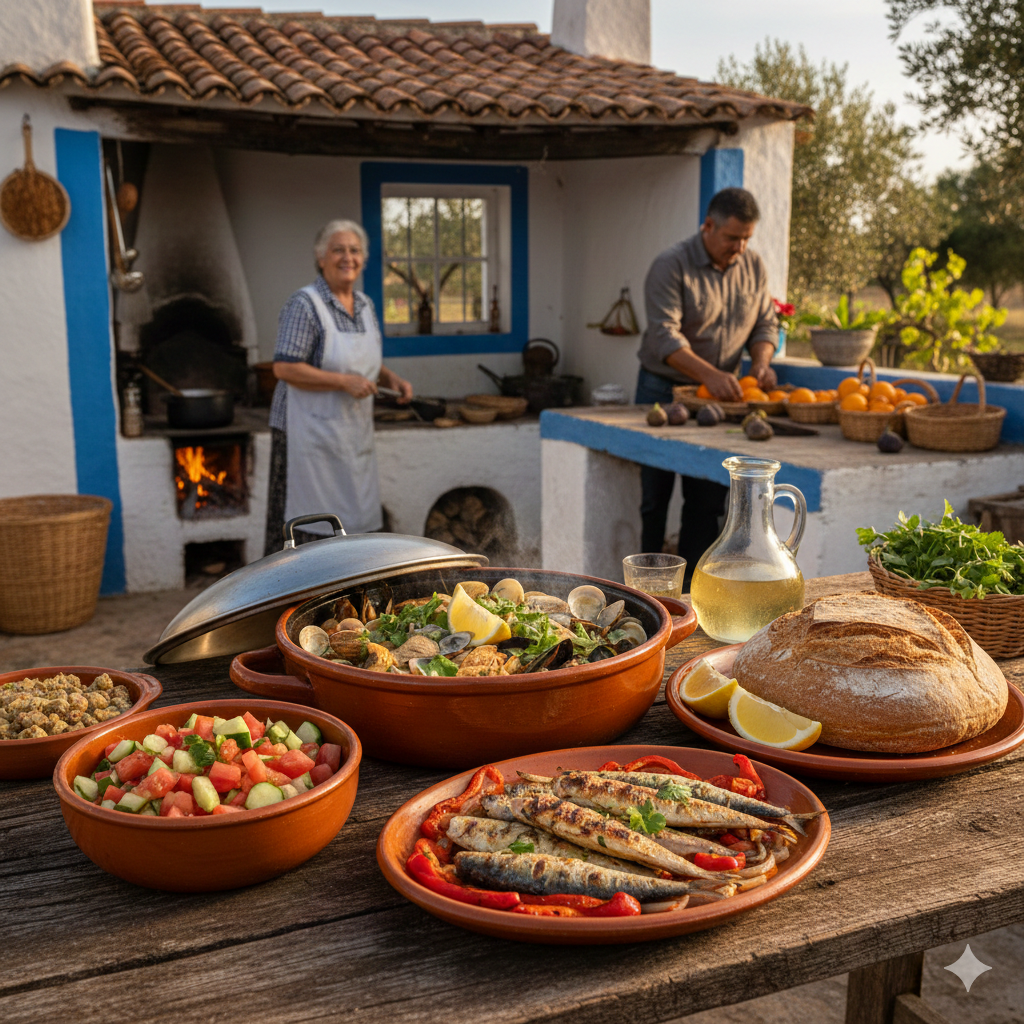
Moving to the Algarve means discovering one of Europe's most vibrant food cultures. From navigating Olhão's century-old market halls to mastering your first cataplana dinner, there's a whole culinary world waiting. We'll guide you through traditional dishes, local markets, and wines made from grapes you've never heard of. This isn't just about what to eat—it's about how food shapes daily life in southern Portugal.
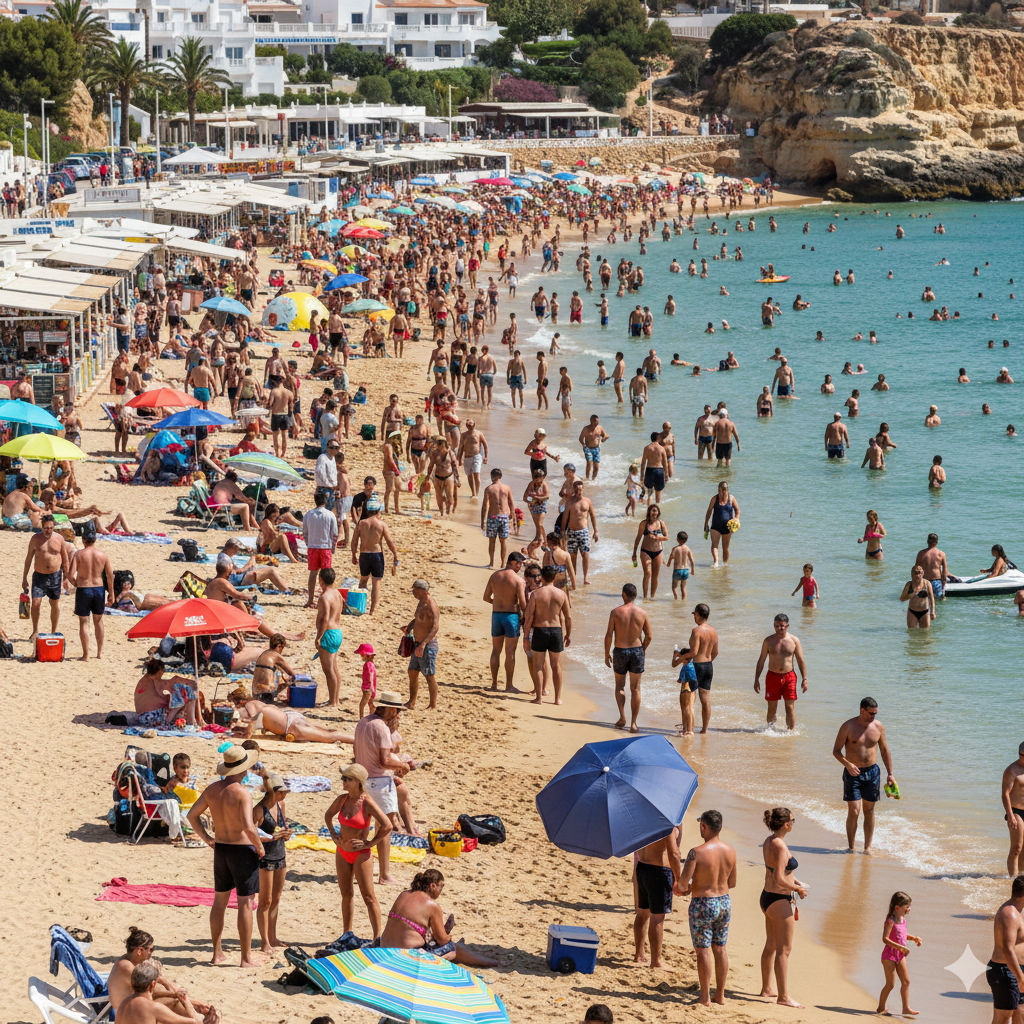
Thinking about summer in the Algarve? Here's the honest truth about July-August life beyond the tourist photos: crowd reality, cost surges, traffic chaos, and practical survival tips from locals. Essential reading for anyone considering relocation or planning their first Portuguese summer.
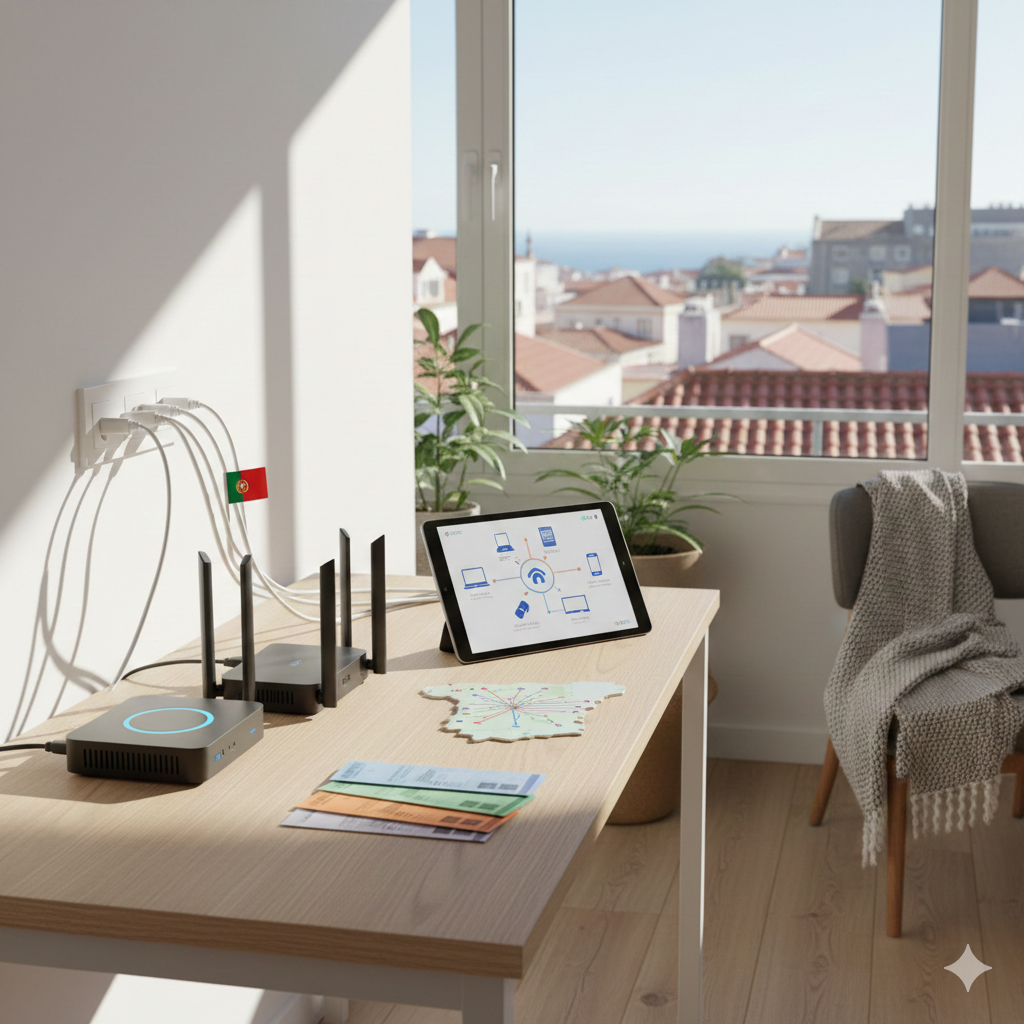
Moving to Portugal? Here's everything you need to know about setting up internet, electricity, gas, and water. From choosing between MEO, NOS, and Vodafone to navigating EDP bills and getting your NIF sorted - the complete expat guide with real costs and timelines.
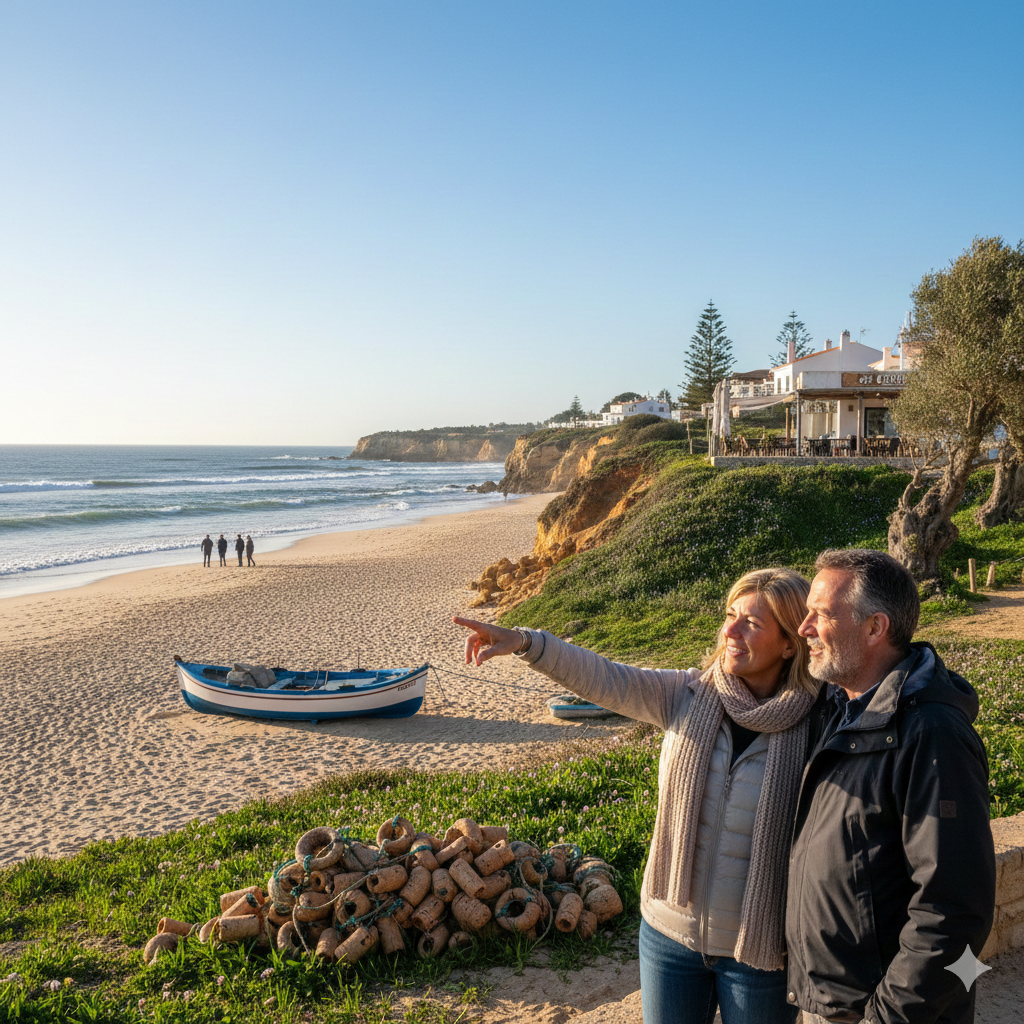
Think Algarve winters are just "mild and sunny"? Think again. From cold, unheated homes and surprise flooding to restaurants closing and heating bills that'll shock you, here's what expats really need to know about surviving Portuguese winter.
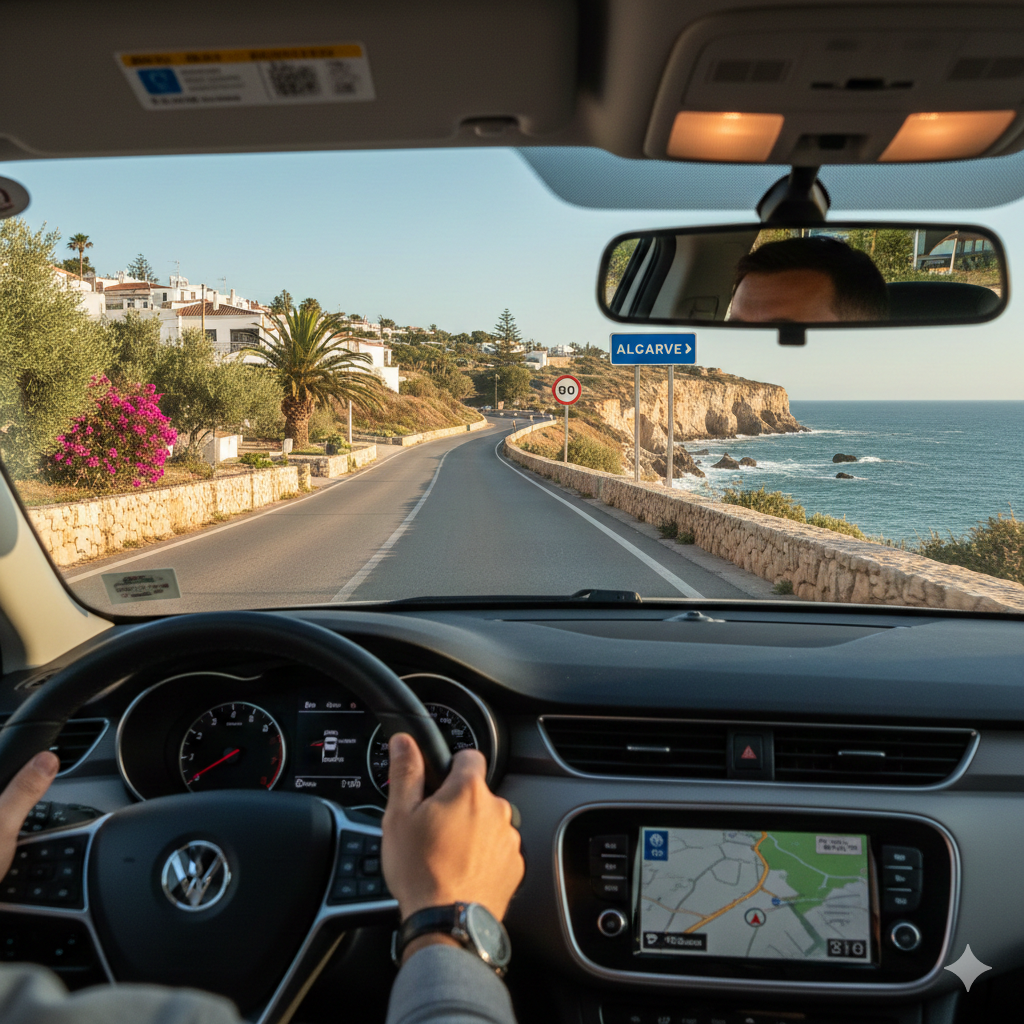
Moving to the Algarve means you'll probably want to get behind the wheel at some point. From license exchanges and speed limits to roundabouts and Portuguese driving culture, here's everything you need to know to drive confidently in Portugal.
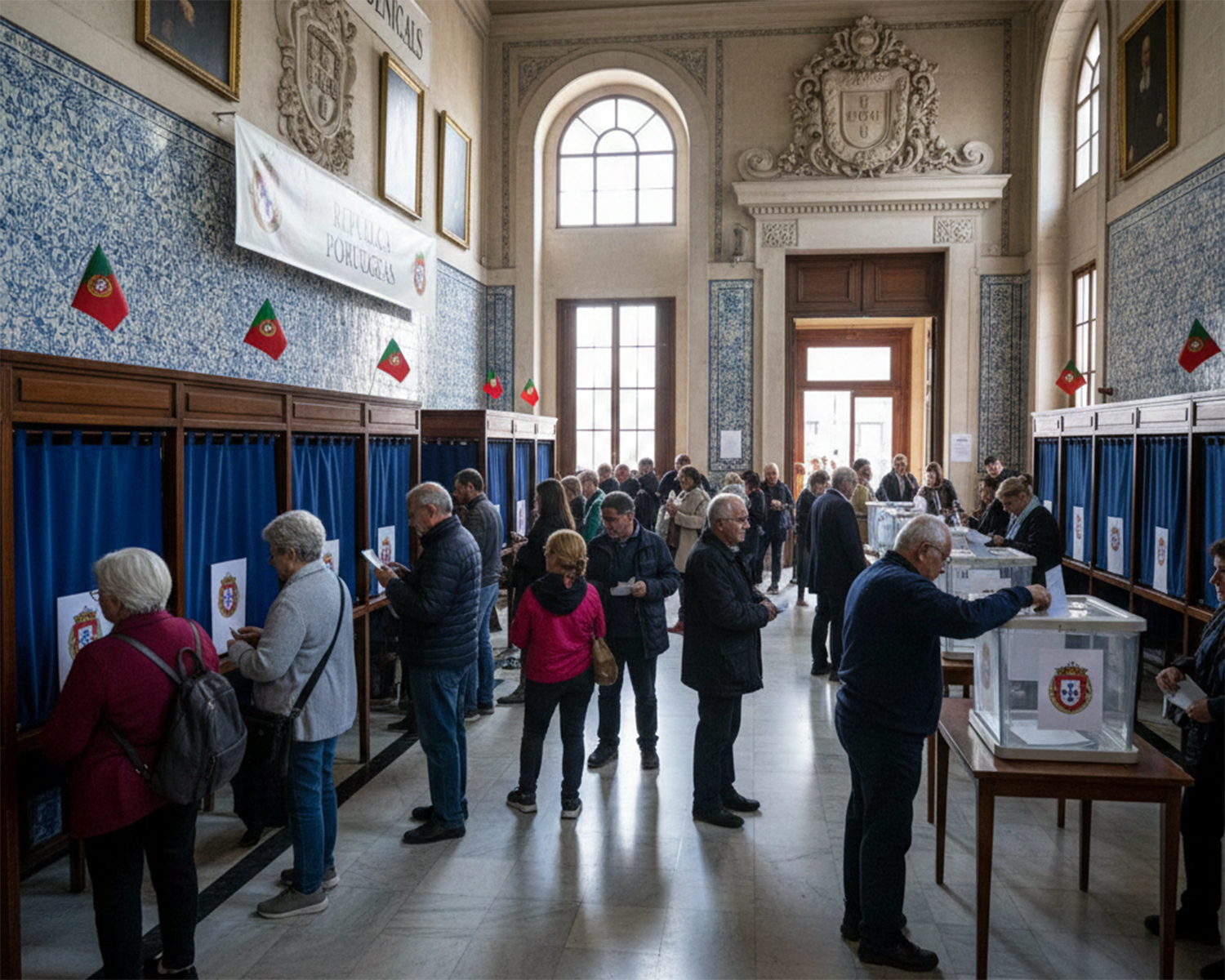
Portugal's presidential elections use a unique two-round system that's quite different from what many expats are used to. Here's everything you need to know about how Portugal chooses its head of state and what it means for the country.

Portugal replaced its popular NHR regime with TISRI/IFICI in 2024, targeting highly skilled professionals in research and innovation. Here's everything you need to know about qualifying for this "NHR 2.0" tax incentive and its significant benefits.
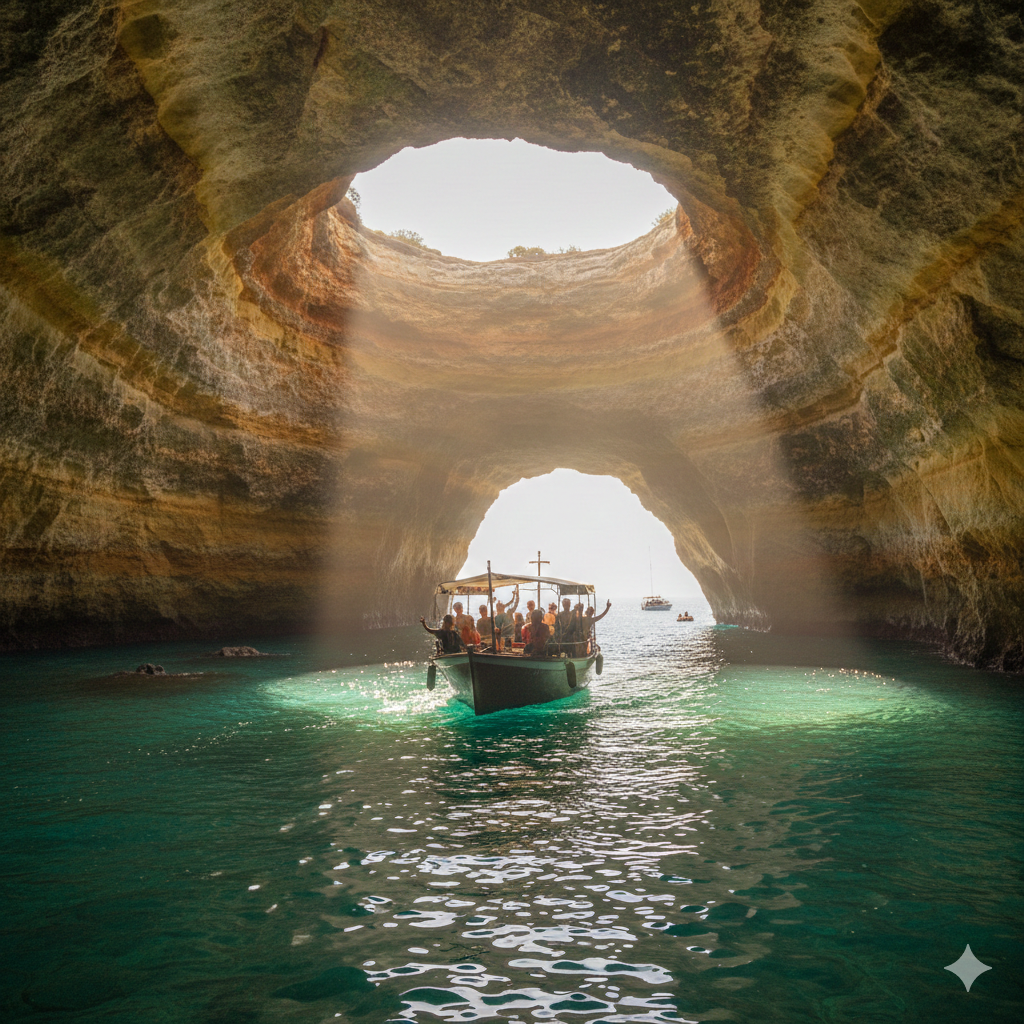
Planning your Algarve adventures? From thrilling coastal hikes to digital nomad meetups and traditional Portuguese festivals, here's everything you need to know about staying active and connected in Portugal's most diverse region.
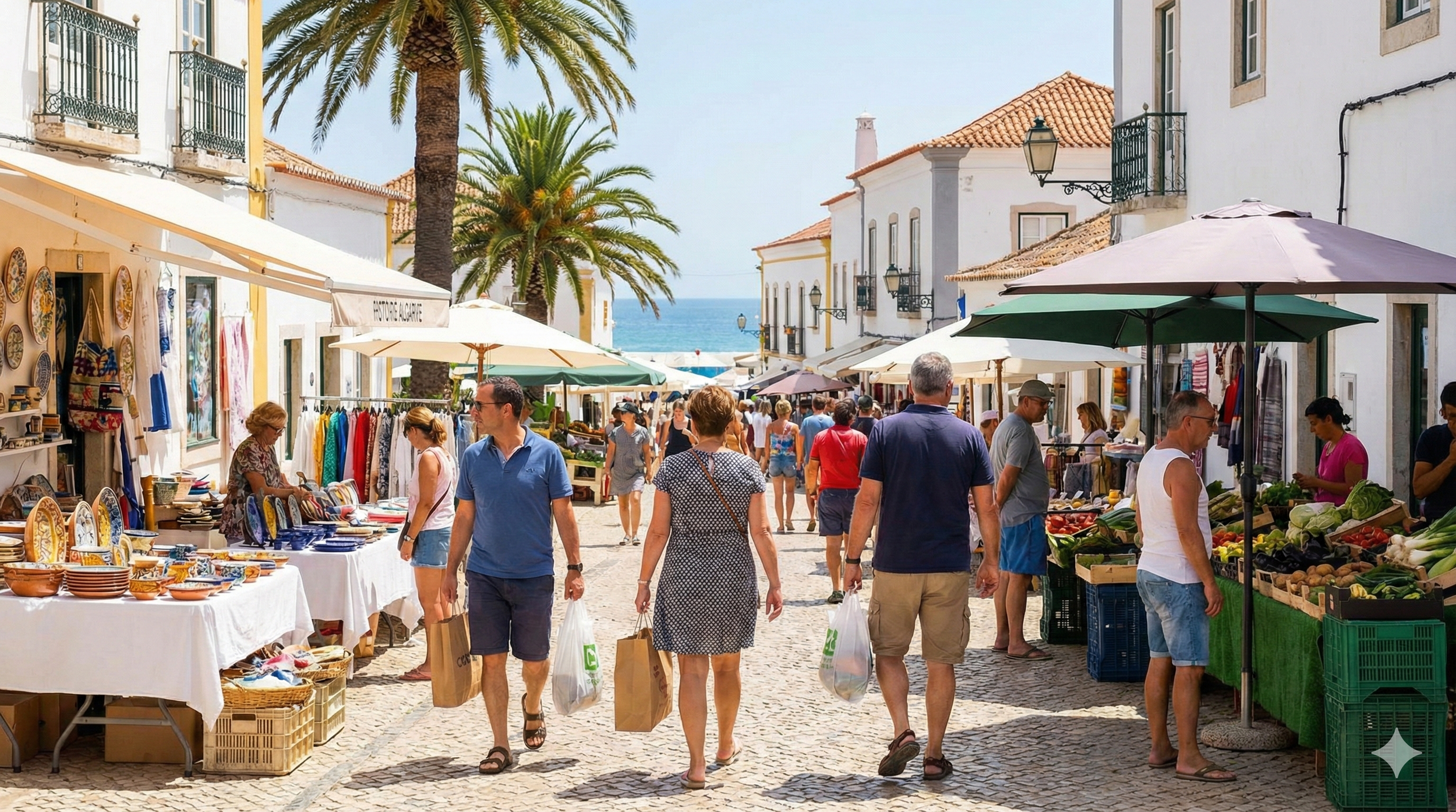
Planning shopping trips in the Algarve? From modern malls like MAR Shopping and Forum Algarve to traditional markets in Loulé and Olhão, discover where to find everything from Portuguese ceramics to international brands, plus essential cultural differences for US and UK visitors.
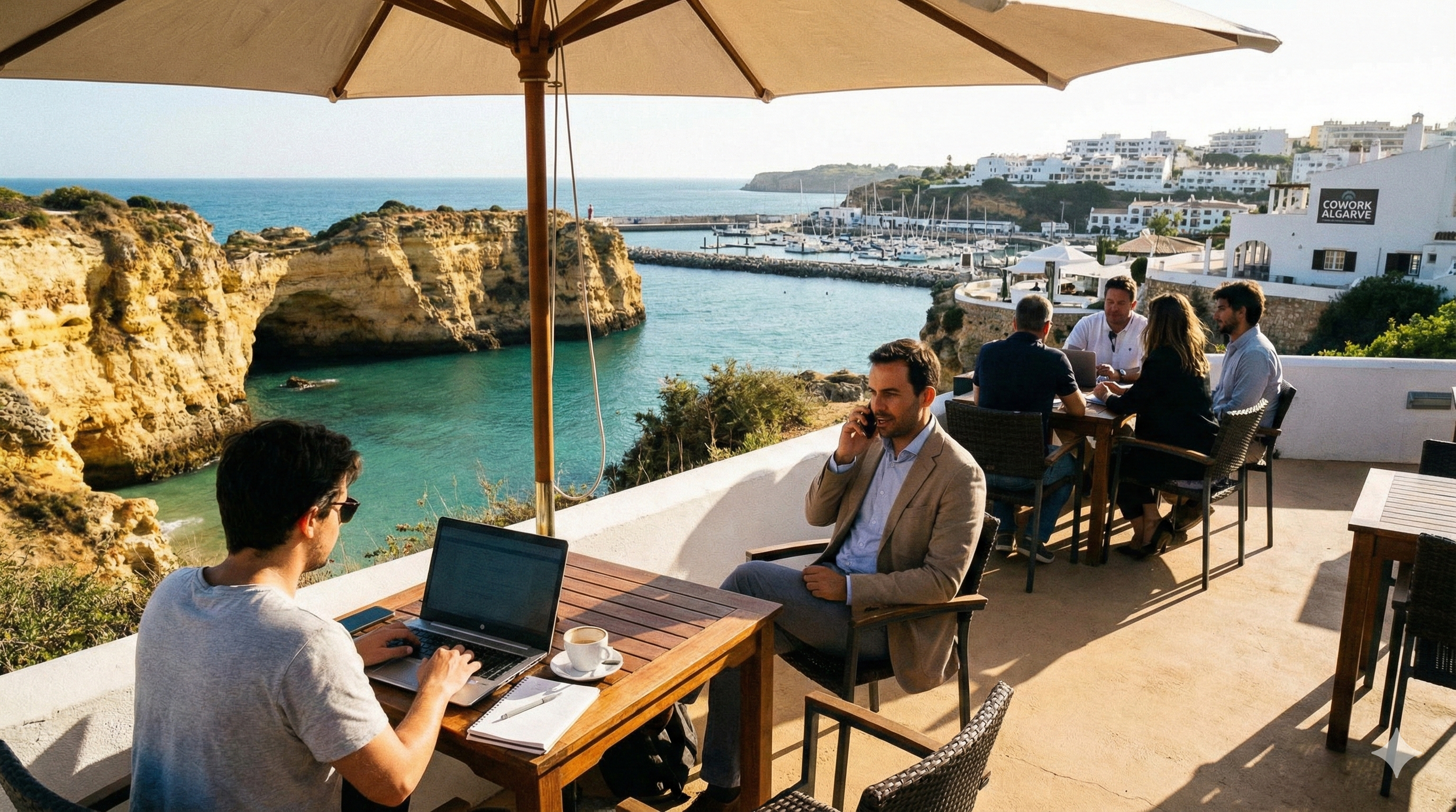
Working in the Algarve offers unique opportunities beyond traditional employment, from tourism-driven seasonal work to digital nomad lifestyles and entrepreneurial ventures. This comprehensive guide covers job market realities, visa requirements, business formation, and practical career strategies for international professionals in Portugal's premier coastal region.
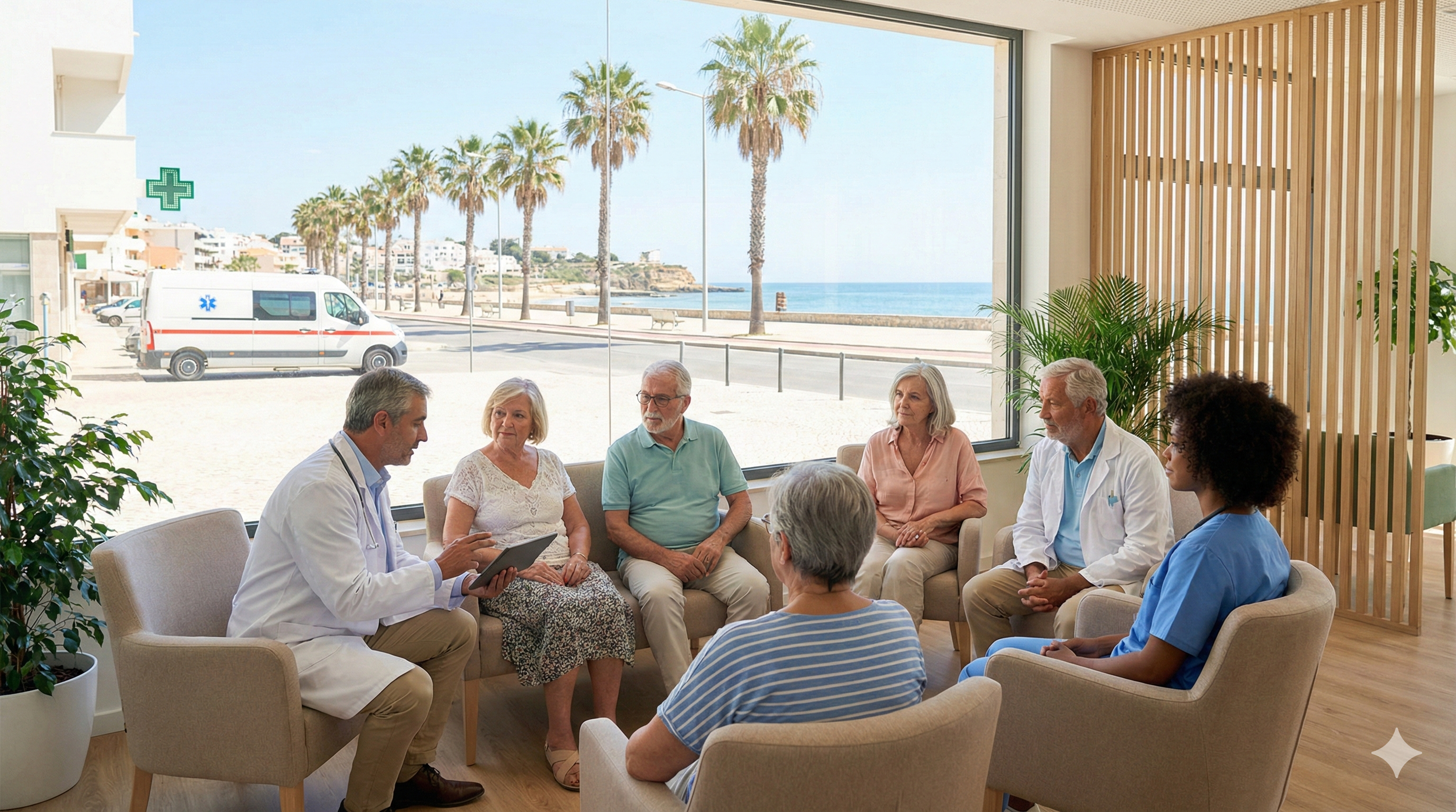
Understanding healthcare options in the Algarve is crucial for successful relocation to Portugal. This comprehensive guide covers SNS registration, private hospital networks, insurance strategies, and real expat experiences navigating Portuguese medical care.
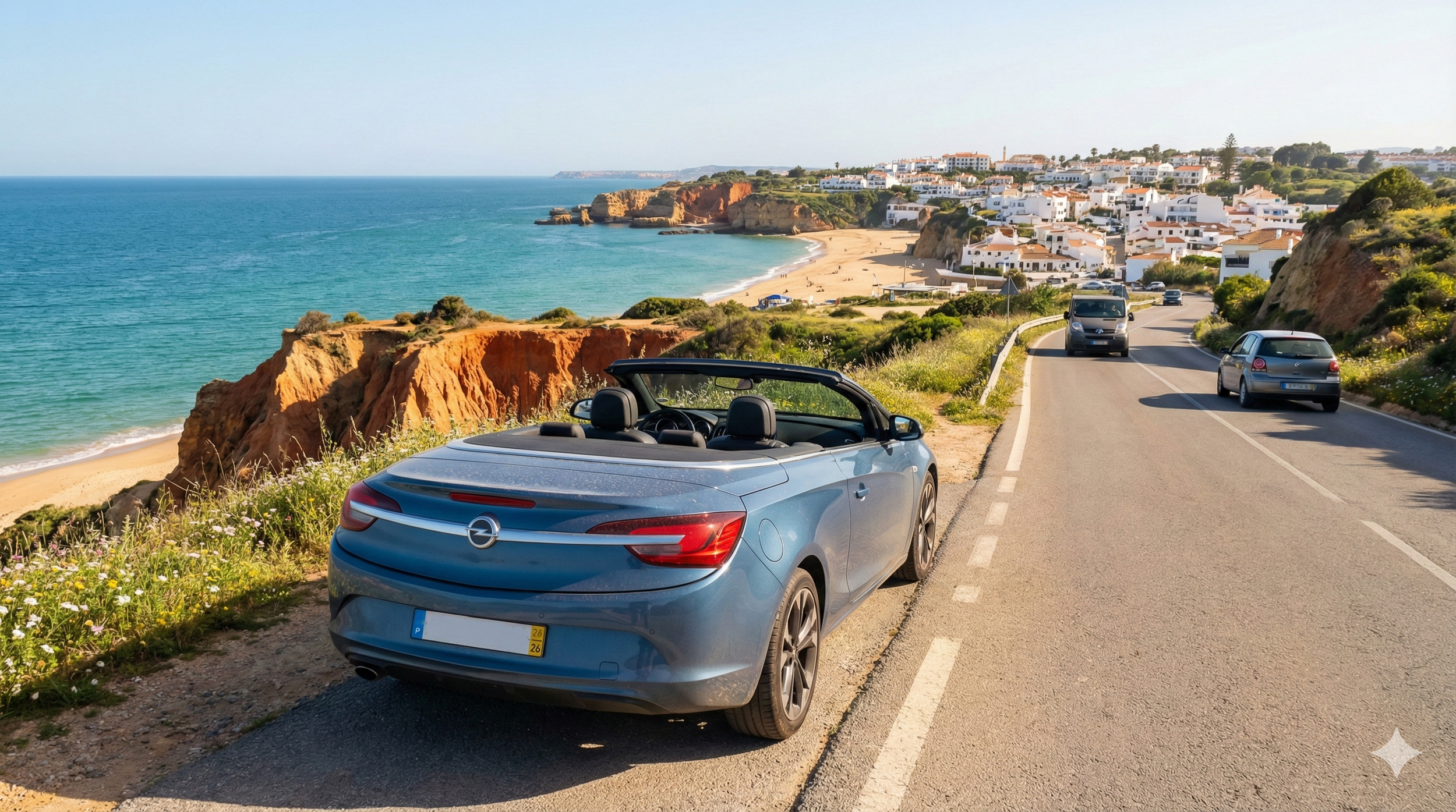
Getting around the Algarve is infinitely easier with your own wheels, but should you bring your existing car or buy locally? This comprehensive guide covers everything you need to know about vehicles in the Algarve, from Portugal's complex ISV vehicle tax (potentially €2,500-4,500 but with exemptions for new residents) to the practicalities of driving on the now toll-free A22 highway. Whether you're importing from the US, UK, or EU, understanding the financial realities, bureaucratic requirements, and regional driving conditions helps you make the right choice for your Portuguese adventure.
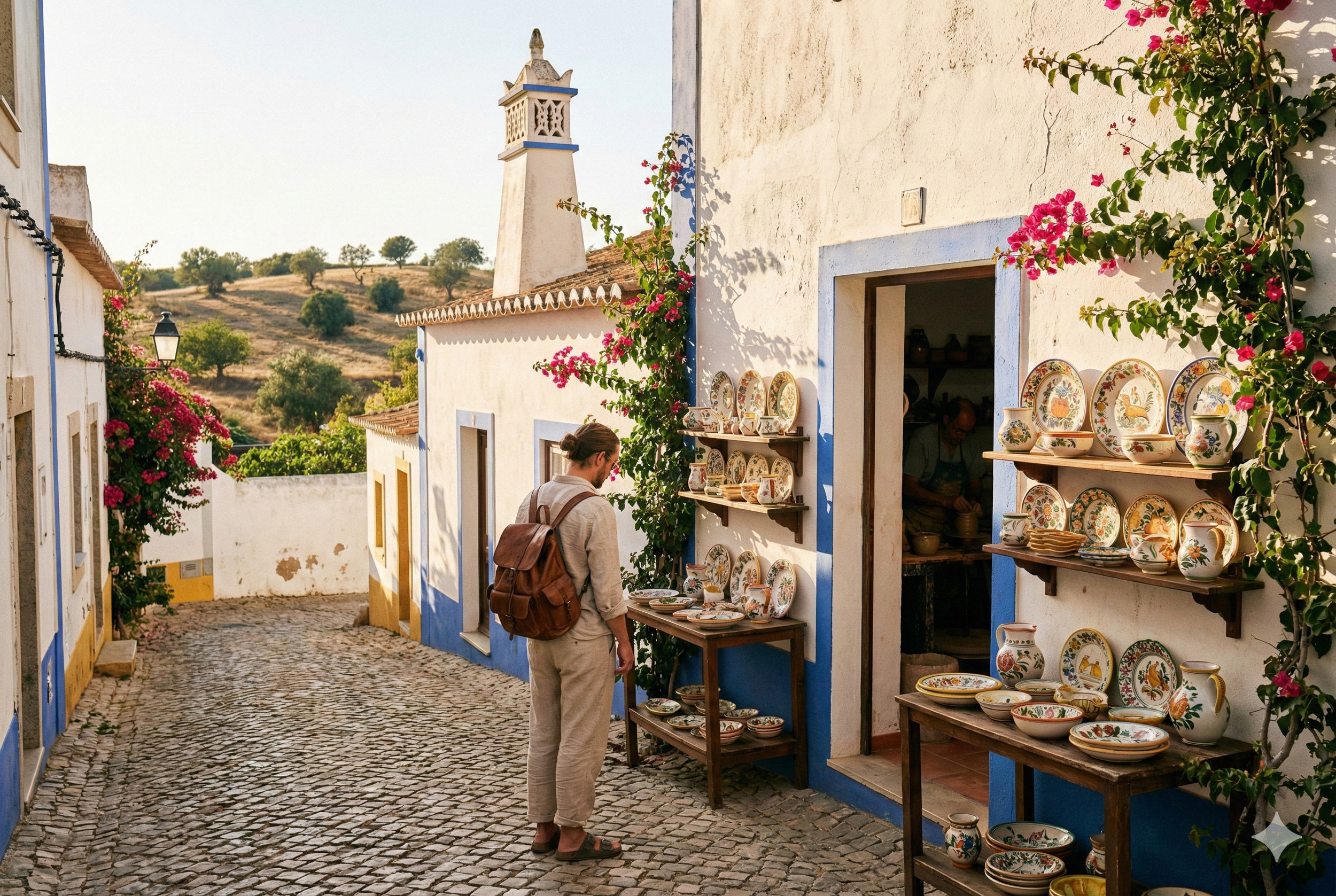
In the heart of the Algarve, between bustling beach towns, lies Porches - a village that chose preservation over surrender to mass tourism. When pottery traditions faced extinction in the 1960s, artists led by Patrick Swift arrived with a powerful idea: breathe new life into dying crafts rather than let them vanish. Today, this 800-person community proves that preservation and progress aren't opposites, offering authentic Portuguese village life with strategic accessibility, Michelin dining, and a thriving pottery tradition that continues to honor the past while embracing creativity.
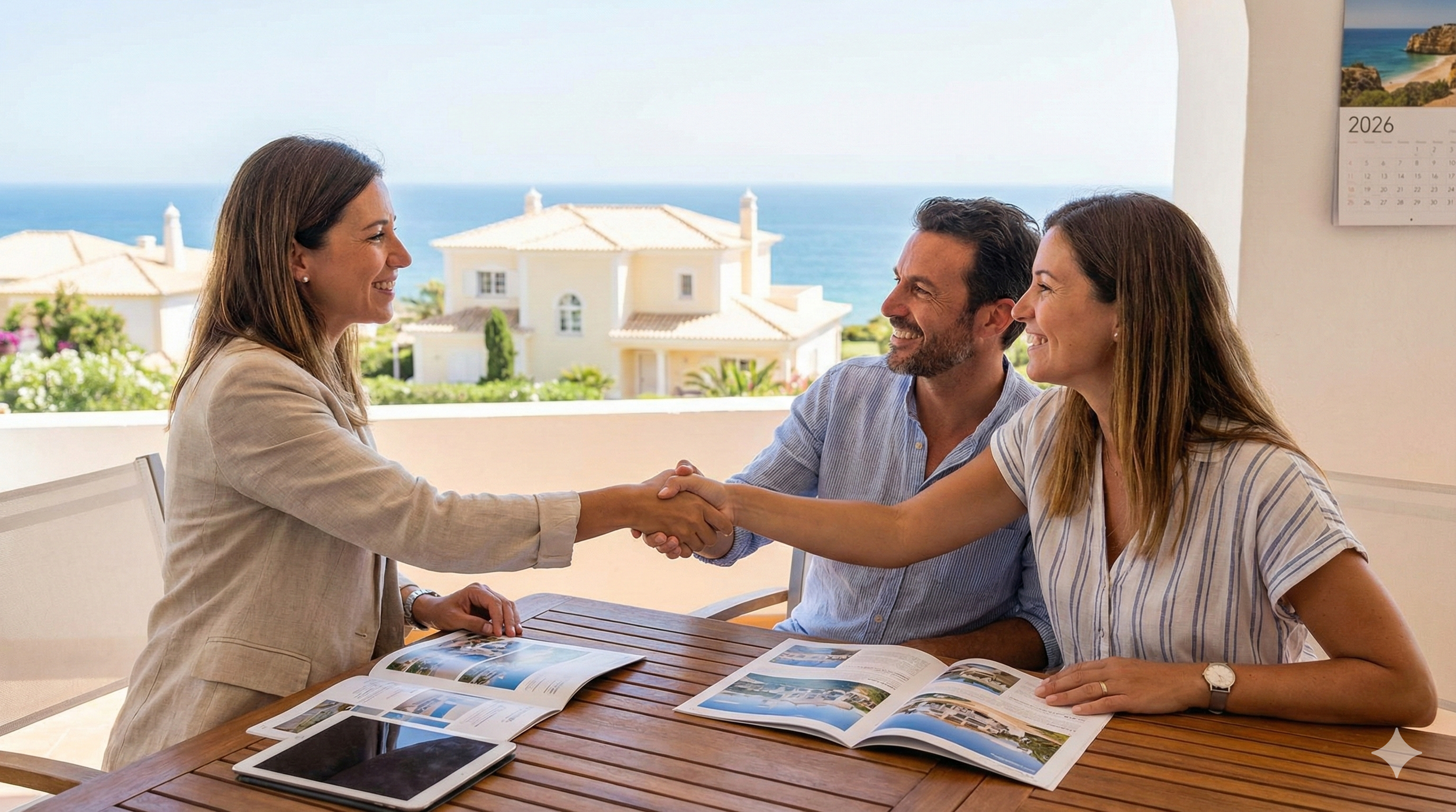
Finding a trusted real estate agent in the Algarve can make the difference between a stressful property purchase and finding your dream Portuguese home. With over 1,000 registered agents in the region and countless unofficial ones, knowing who to trust with potentially your biggest investment isn't easy. The right agent saves you from overpaying, missing hidden problems, and falling for tourist pricing while providing crucial local knowledge about market dynamics, legal requirements, and neighborhood realities that short visits don't reveal.
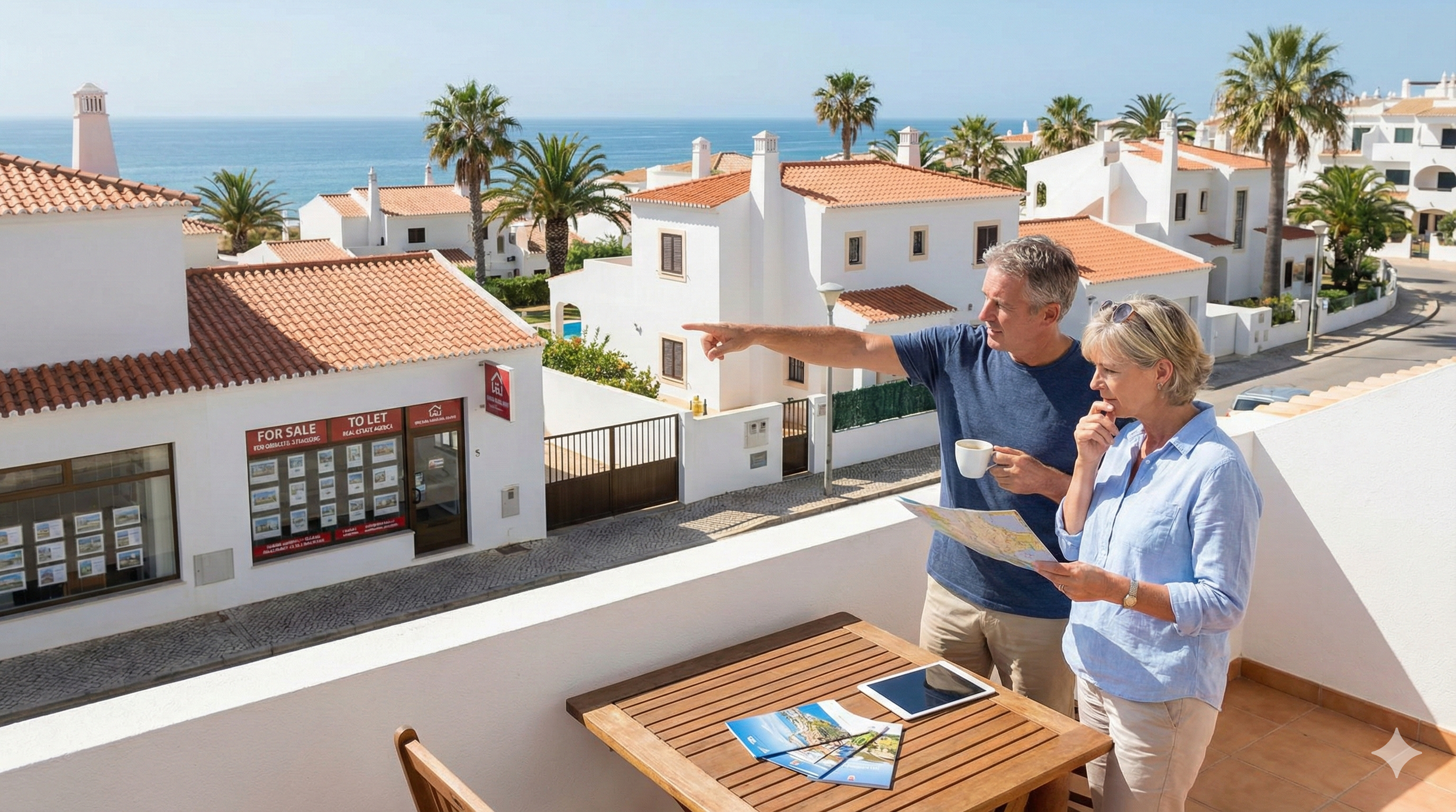
Deciding whether to rent or buy a home in the Algarve might be your biggest financial decision when relocating to Portugal. With property prices rising 10.8% year-over-year and rental yields averaging 5.6%, both options present unique opportunities and challenges. This guide breaks down current market realities, true costs, and practical considerations across different Algarve locations. The smartest approach? Many successful expats rent first to explore areas, then buy when confident about their perfect location.
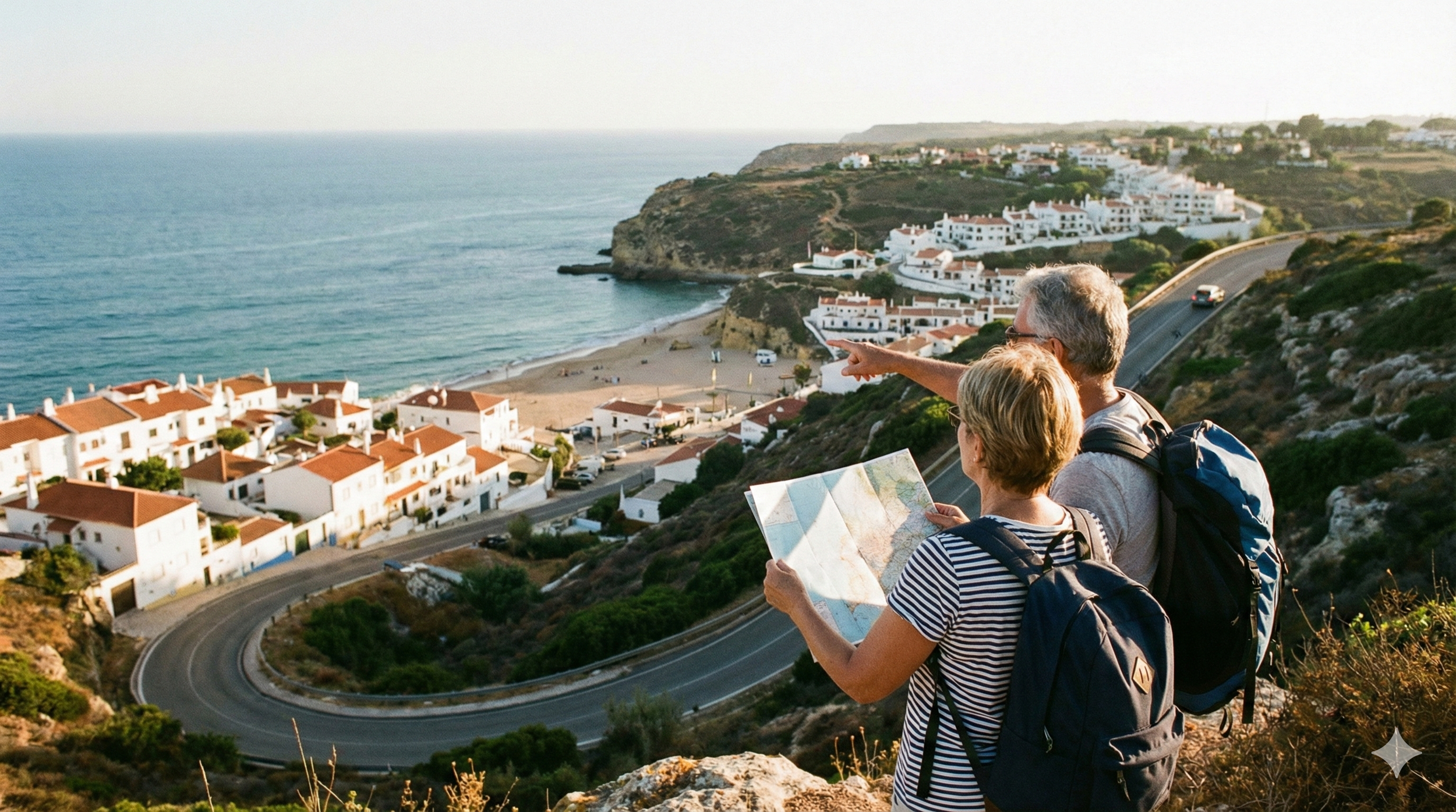
Choosing the best Algarve town feels like picking a favorite child - each of the region's 16 municipalities has its own personality. After helping hundreds make this decision, we've learned it's not about following recommendations, but matching each place to the life you want to create. From Lagos's perfect balance and Tavira's cultured charm to hidden gems like Silves and Olhão, your perfect Algarve town exists - you just need to know yourself well enough to recognize it.
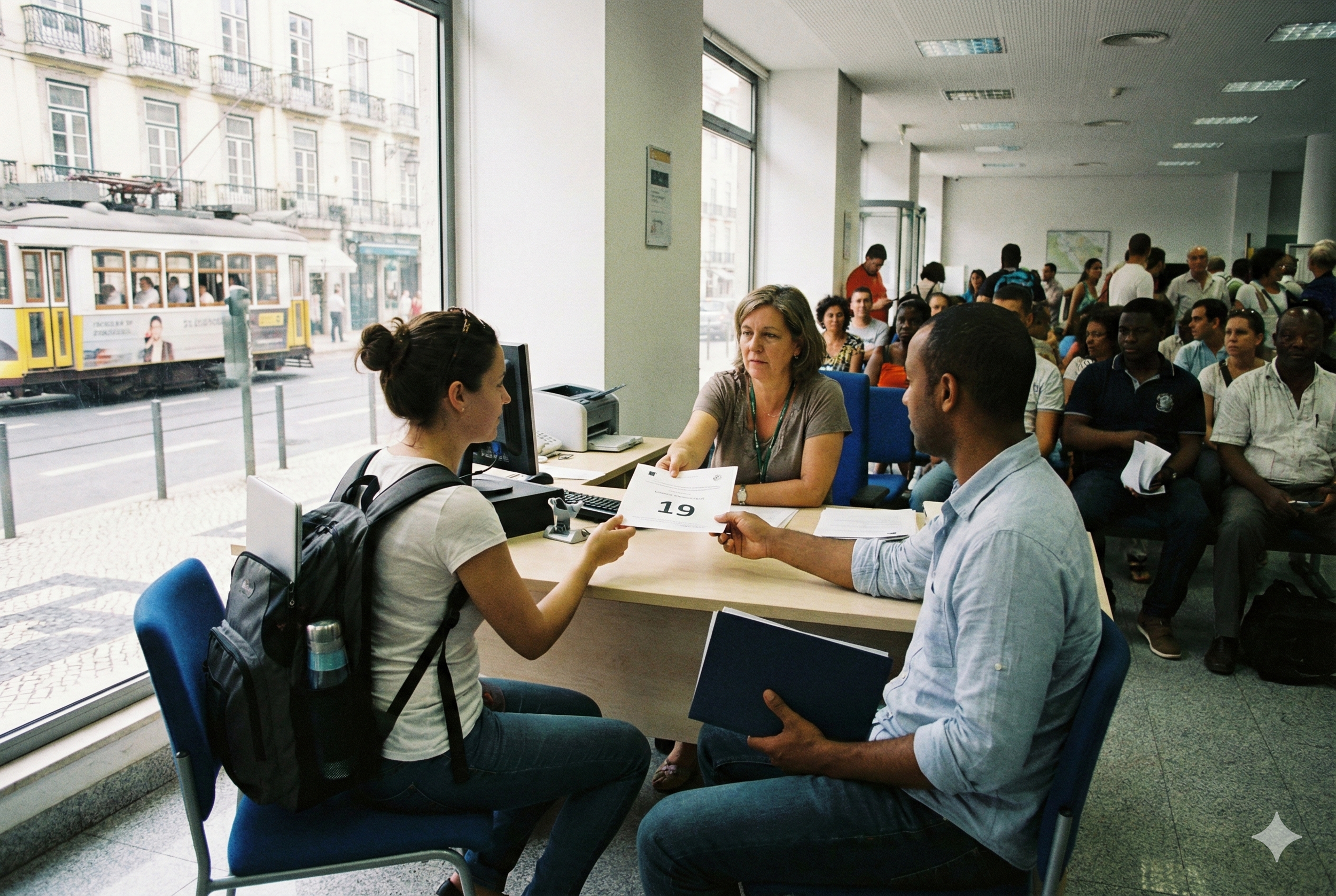
Getting a NIF in Portugal should be your absolute first priority when relocating - this nine-digit tax number unlocks everything from banking to rental agreements. Without one, you're invisible to the Portuguese system. The smart move? Get your NIF before arriving through power of attorney services, allowing you to hit the ground running. This comprehensive guide covers all three methods: DIY at Finanças offices, professional services, and the game-changing pre-arrival option.
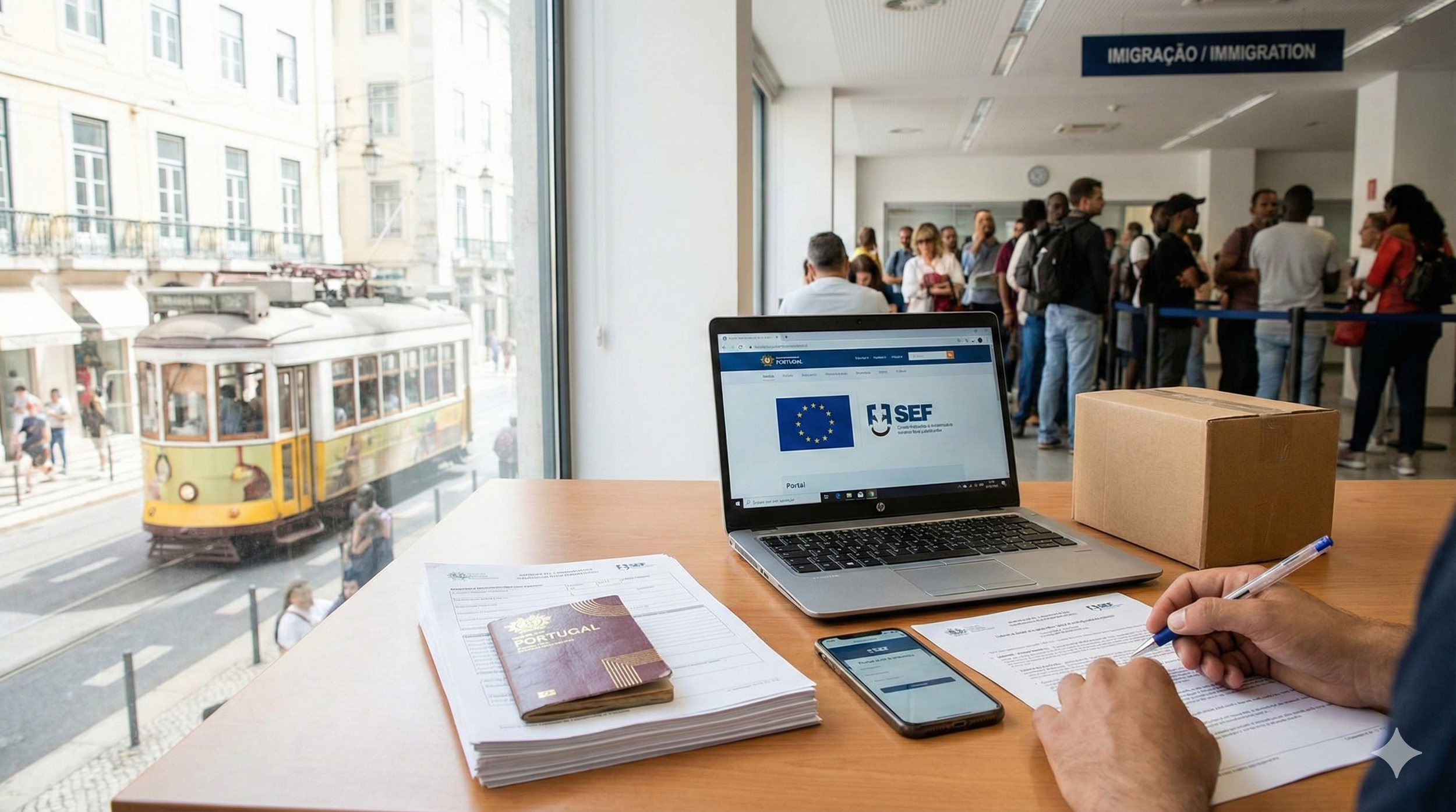
Immigrating to Portugal in 2026 isn't as complicated as people make it out to be, but it's not a walk in the park either. The biggest change is that SEF is gone, replaced by AIMA with massive backlogs, though they promise to clear everything by mid-2026. Portugal still needs 138,000 immigrants annually to keep growing, so the doors remain open with visa options ranging from the €920/month D7 for retirees to the €3,480/month D8 for remote workers, plus the evolved Golden Visa and entrepreneur routes. The key is choosing the right visa path, understanding the 8-12 month realistic timeline, and budgeting €10,000-15,000 for the complete process.
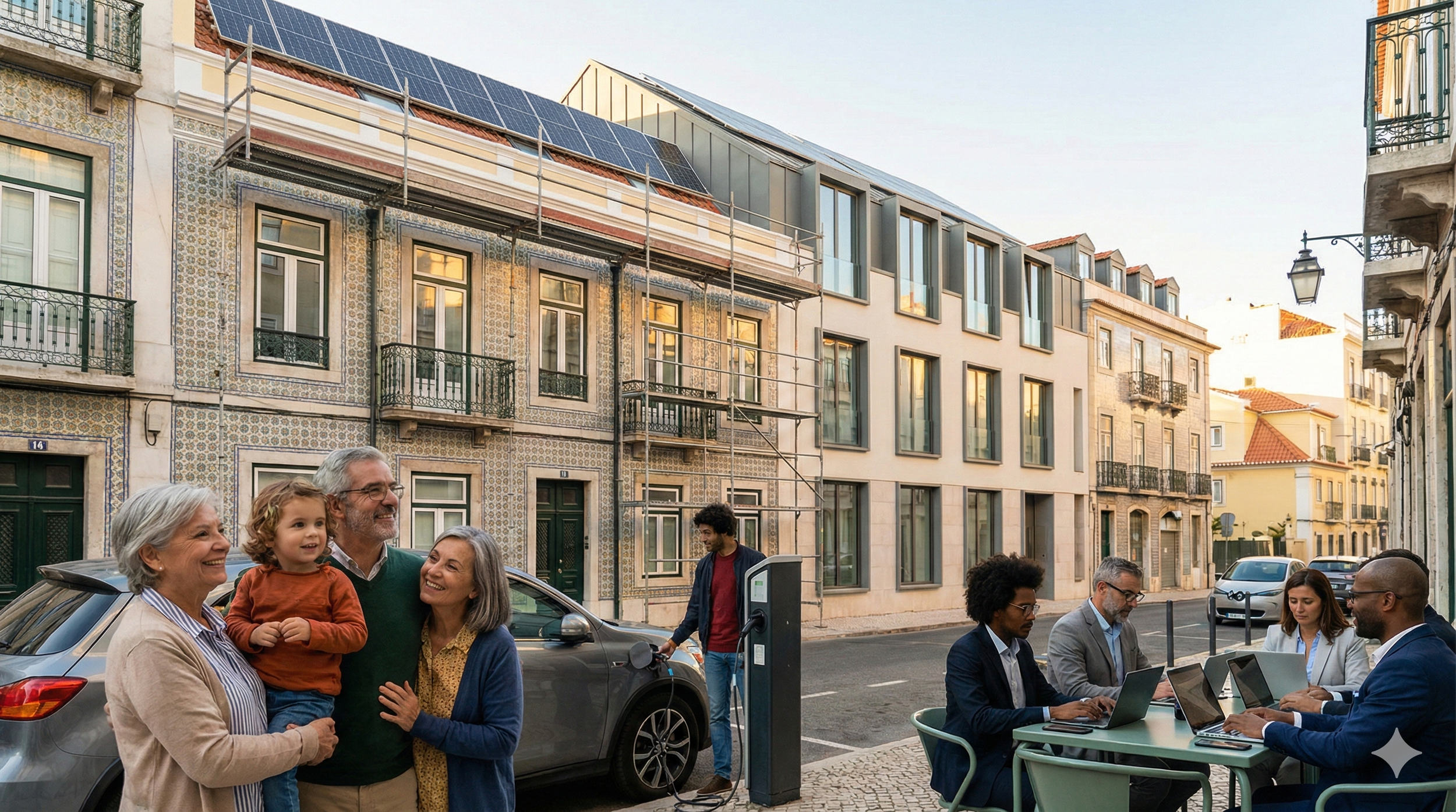
Portugal's tax landscape changed dramatically when the famous NHR program closed to new applicants in 2024, ending the golden era of 10% flat tax on foreign pensions. But don't panic - significant tax breaks still exist for savvy expats who know where to look. From completely tax-free cryptocurrency gains after 365 days and 50% capital gains reduction on property sales to the Youth IRS program offering 10 years of preferential rates for under-35s, Portugal still rewards strategic financial planning. The key is understanding the new rules and positioning yourself correctly.
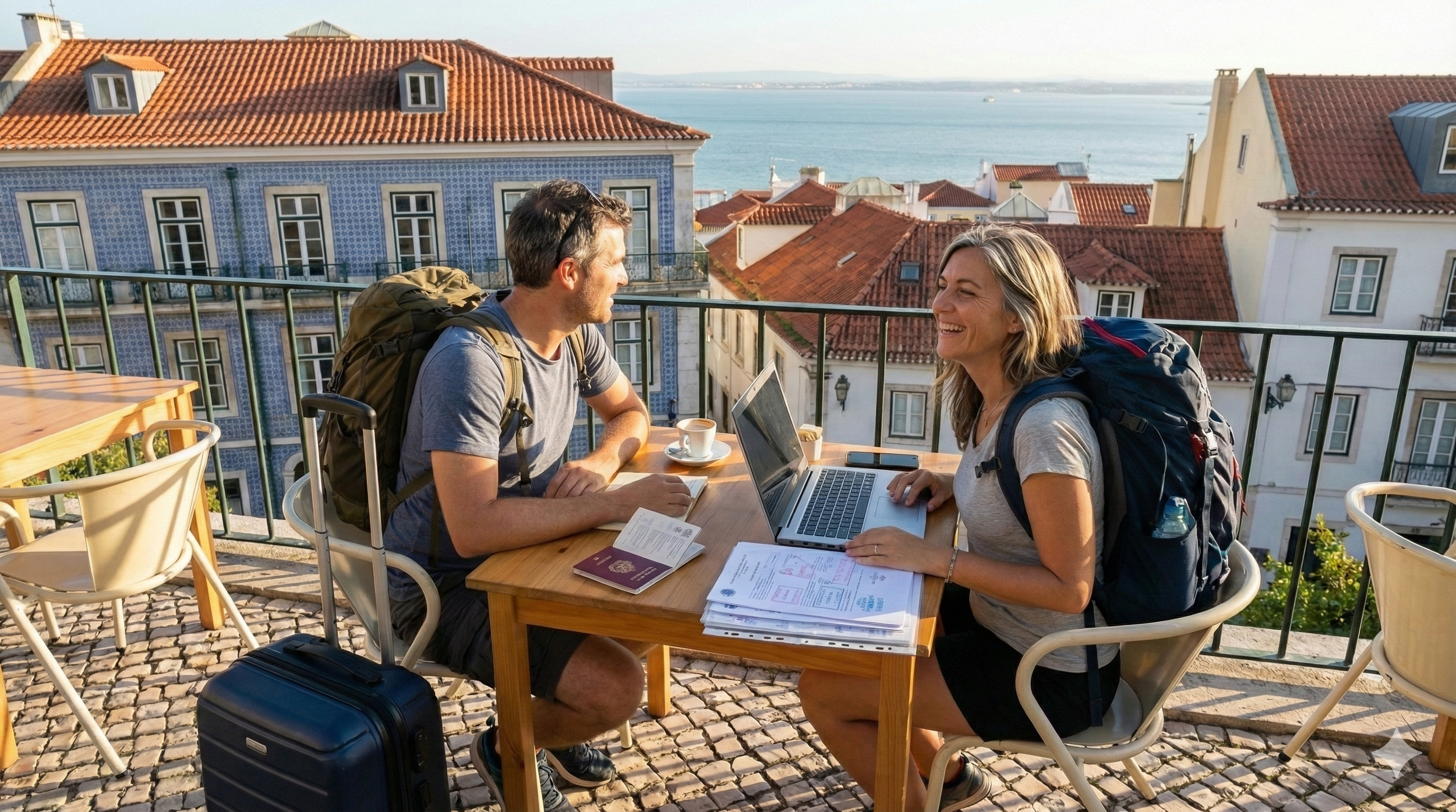
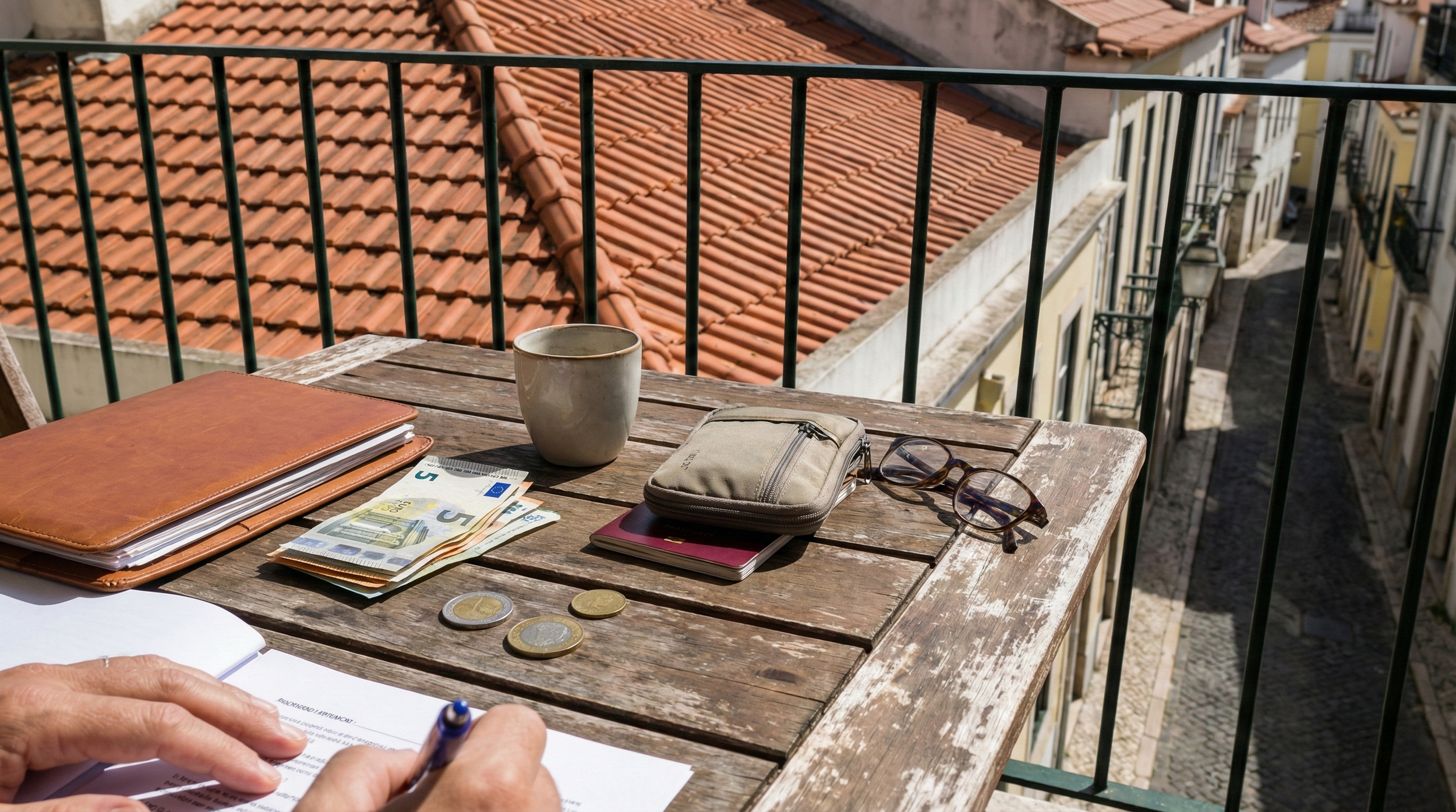
Moving to Portugal means transferring your financial life across borders, and the difference between doing it right and wrong could cost you tens of thousands of euros. Banks count on you being overwhelmed by the move to slip in 2-4% fees on transfers, but this guide reveals how to protect every cent of your life savings during one of your biggest financial transitions.
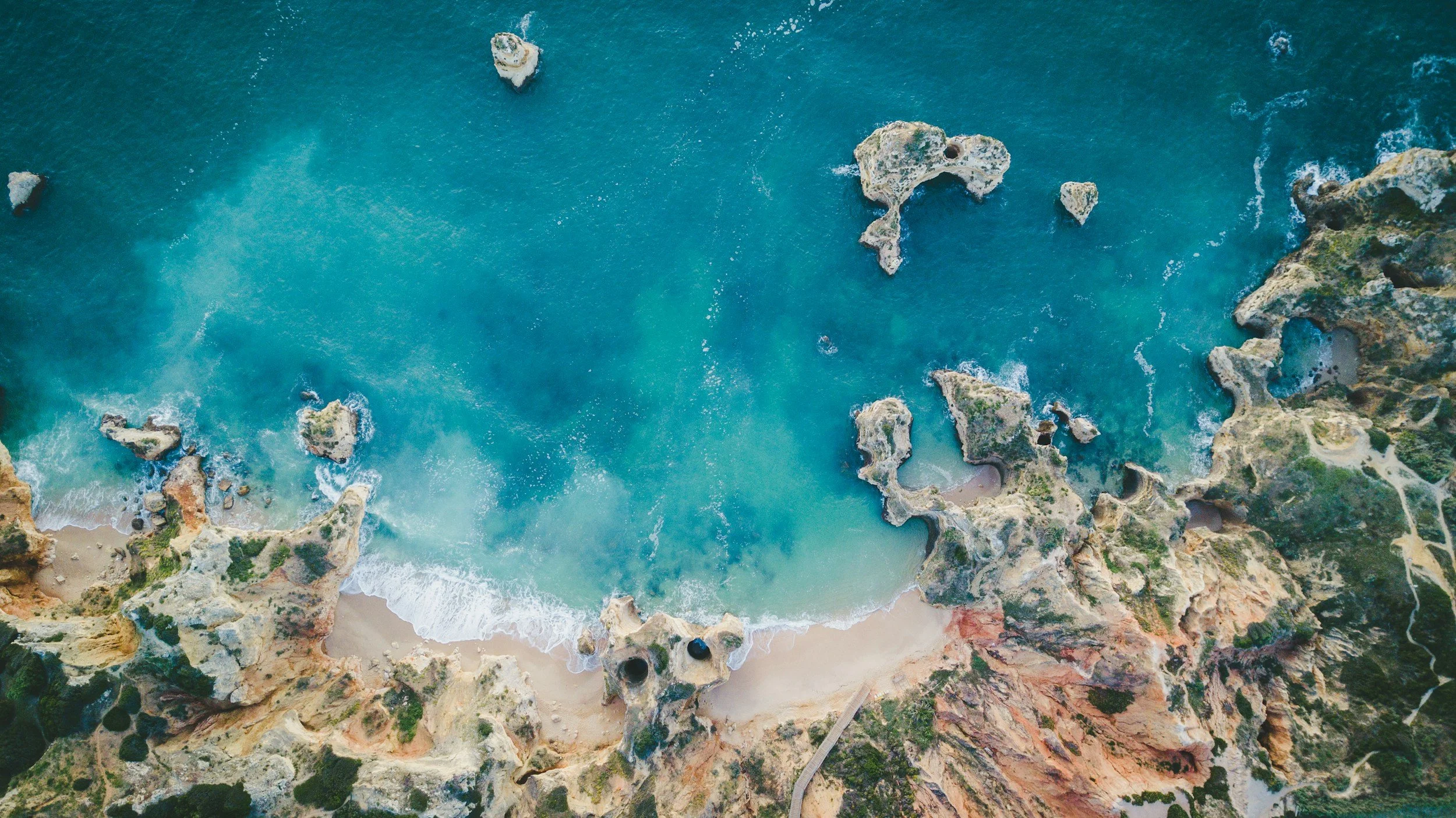
Complete 2026 guide for Americans moving to Portugal from USA. Visa options (D7, D8, Golden), costs, healthcare, taxes, best locations, and step-by-step relocation process.
Is the Portugal Golden Visa dead in 2026? No! Discover the program's transformation, new €500k investment options, alternatives like D7 & D8 visas, plus expert predictions.
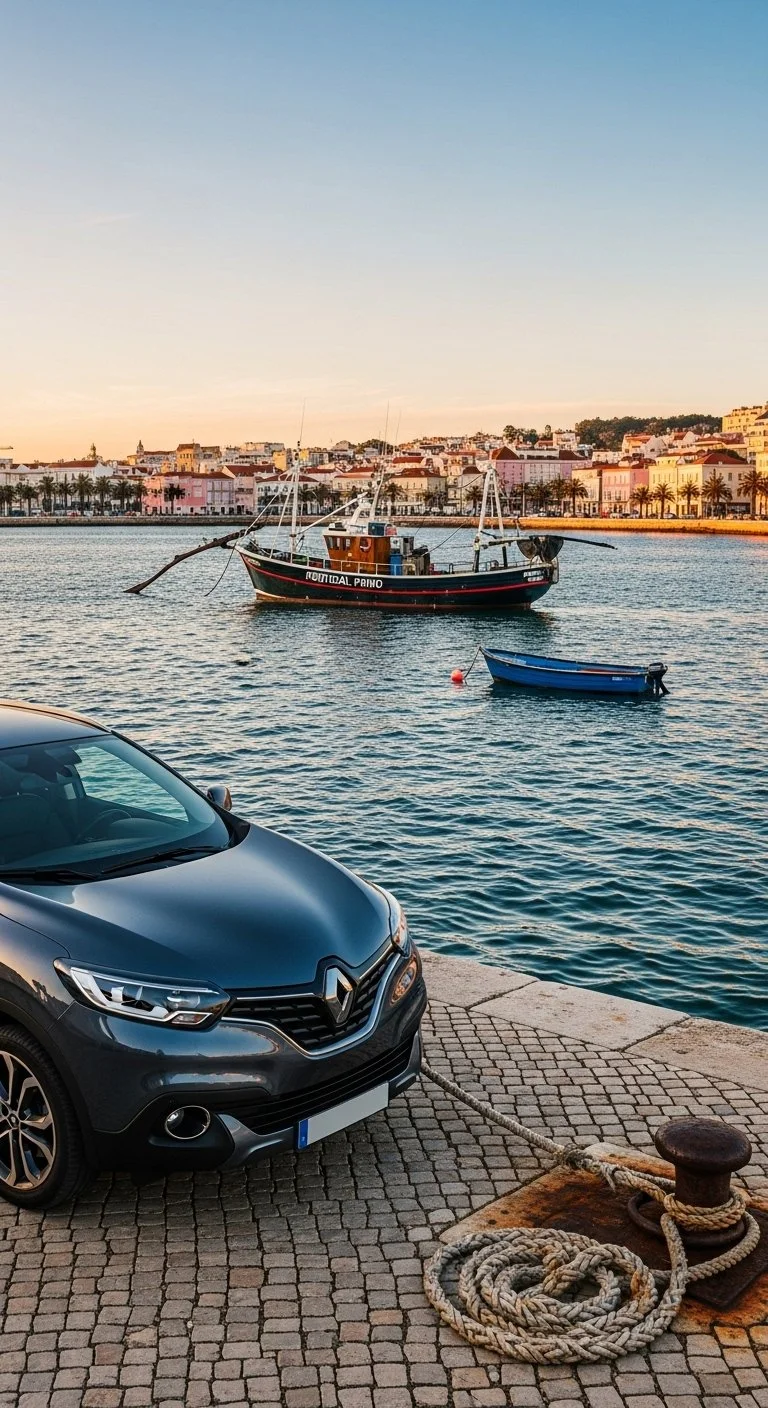
If you really want to understand the Algarve — not the brochure version, but the living, breathing, quietly magical one — you have to slow down. Way down. That’s exactly what I set out to do in Algarve Unlocked, a journey through 50 towns.
Moving to a new country is a big step—especially when children are involved. One of the most important decisions you’ll make is choosing the right school for your child. Portugal is a beautiful, welcoming country with an excellent quality of life, and it’s no surprise that more and more families from abroad are choosing to call it home.
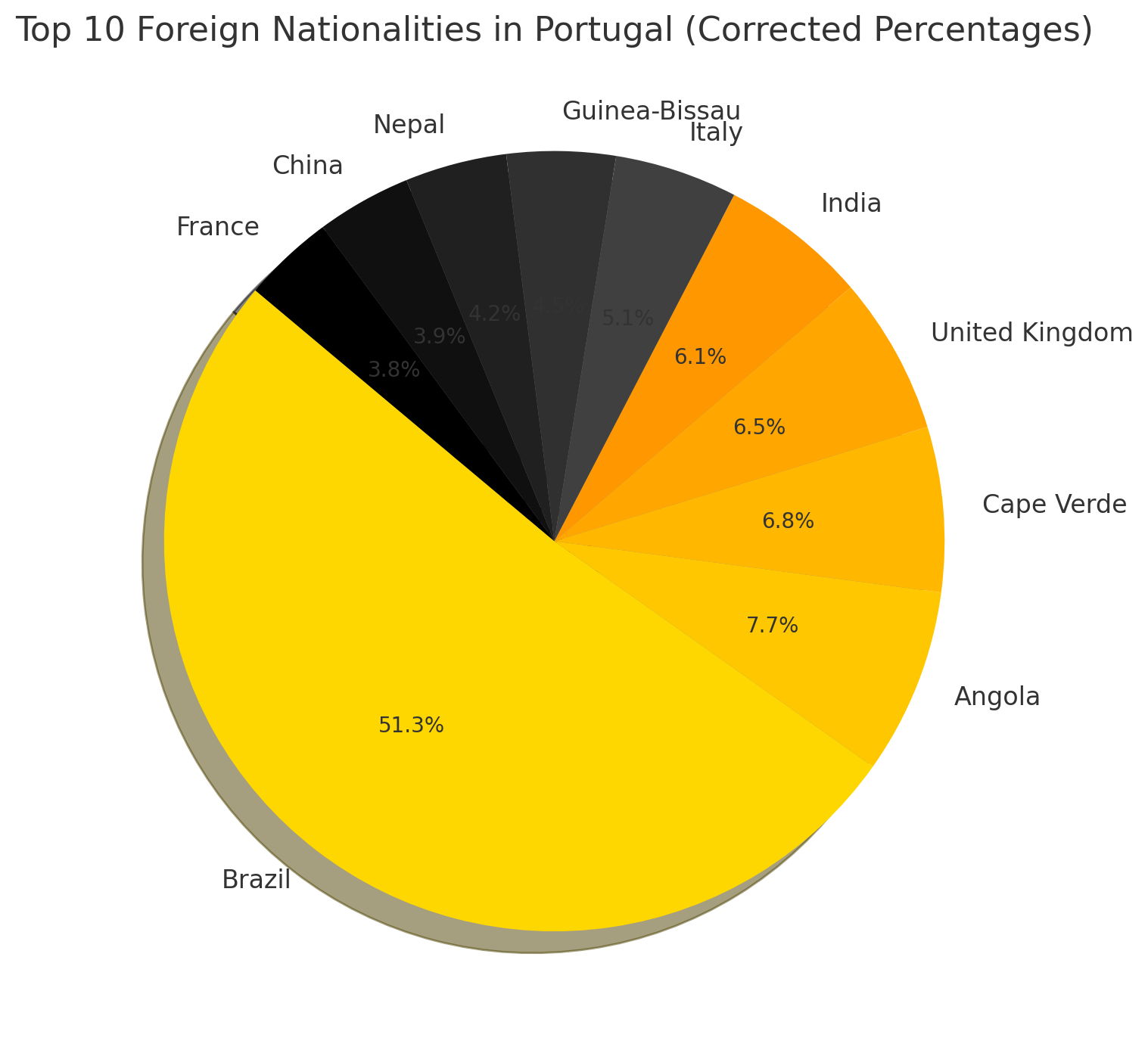
Portugal’s international community continues to grow, with new data showing which foreign nationalities are choosing the country most. Brazil leads by a wide margin, followed by strong communities from Angola, Cape Verde, the UK, India, Italy, Guinea-Bissau, Nepal, China, and France. Together, these groups reflect Portugal’s unique mix of Lusophone roots and global appeal.