
What Is the Algarve Famous For? The Honest Guide from People Who Actually Live Here
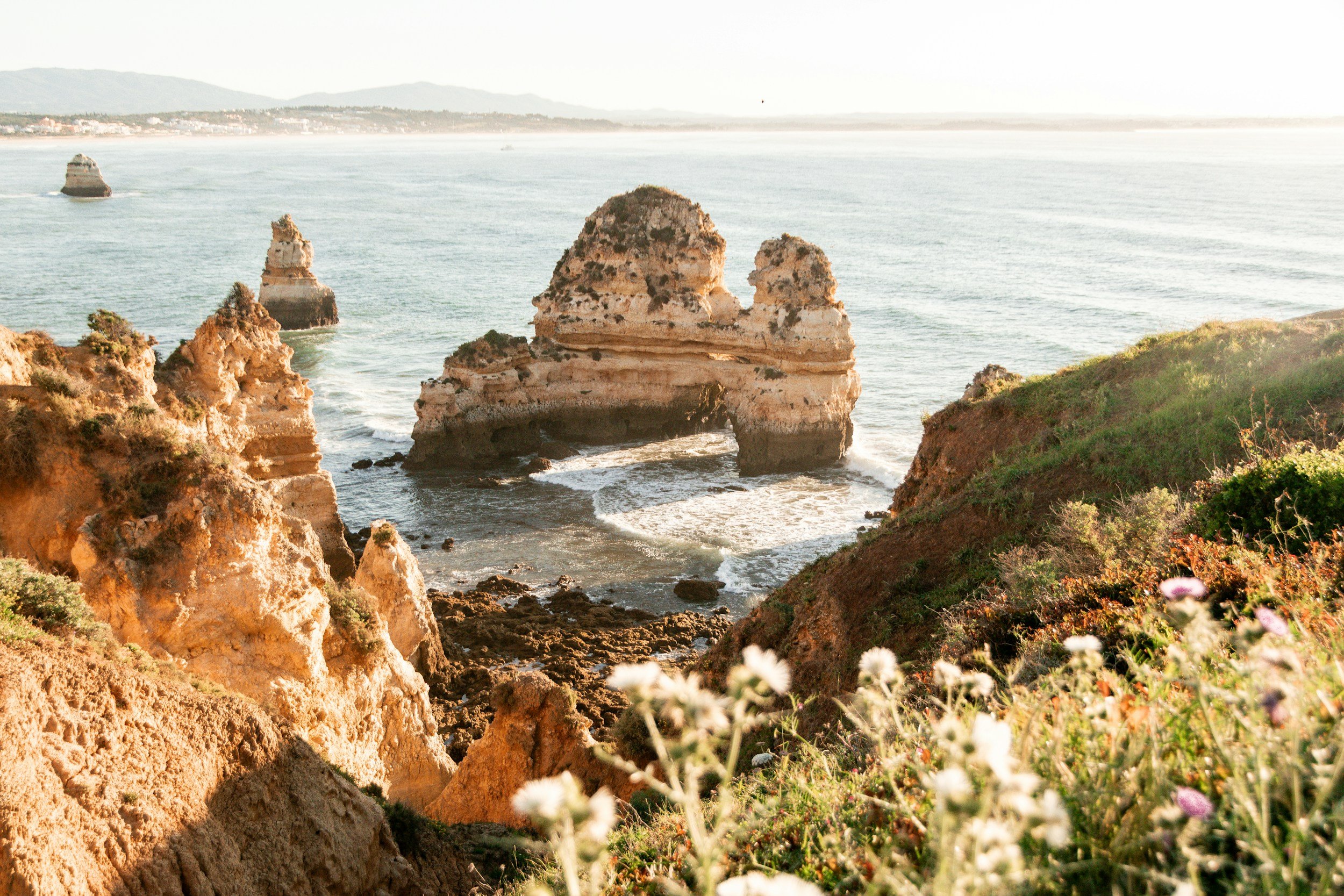
The Algarve is the southernmost region of mainland Portugal, stretching roughly 200 kilometres along the Atlantic coast. It has a permanent population of around 450,000 people, which swells to over a million during summer. Faro airport handled a record 9.8 million passengers in 2024, and in 2025 the region won the World's Leading Beach Destination title for the fourth time, beating the Maldives, Cancún, and the Seychelles.
So what is the Algarve actually famous for? The short answer: beaches, sunshine, golf, food, safety, and an increasingly popular reputation as a place to relocate. The longer answer is more interesting. We've lived here for over 20 years and helped hundreds of people make the move. Here's what we think the Algarve is really known for, and what most guides leave out.
Is the Algarve Famous for Its Beaches?
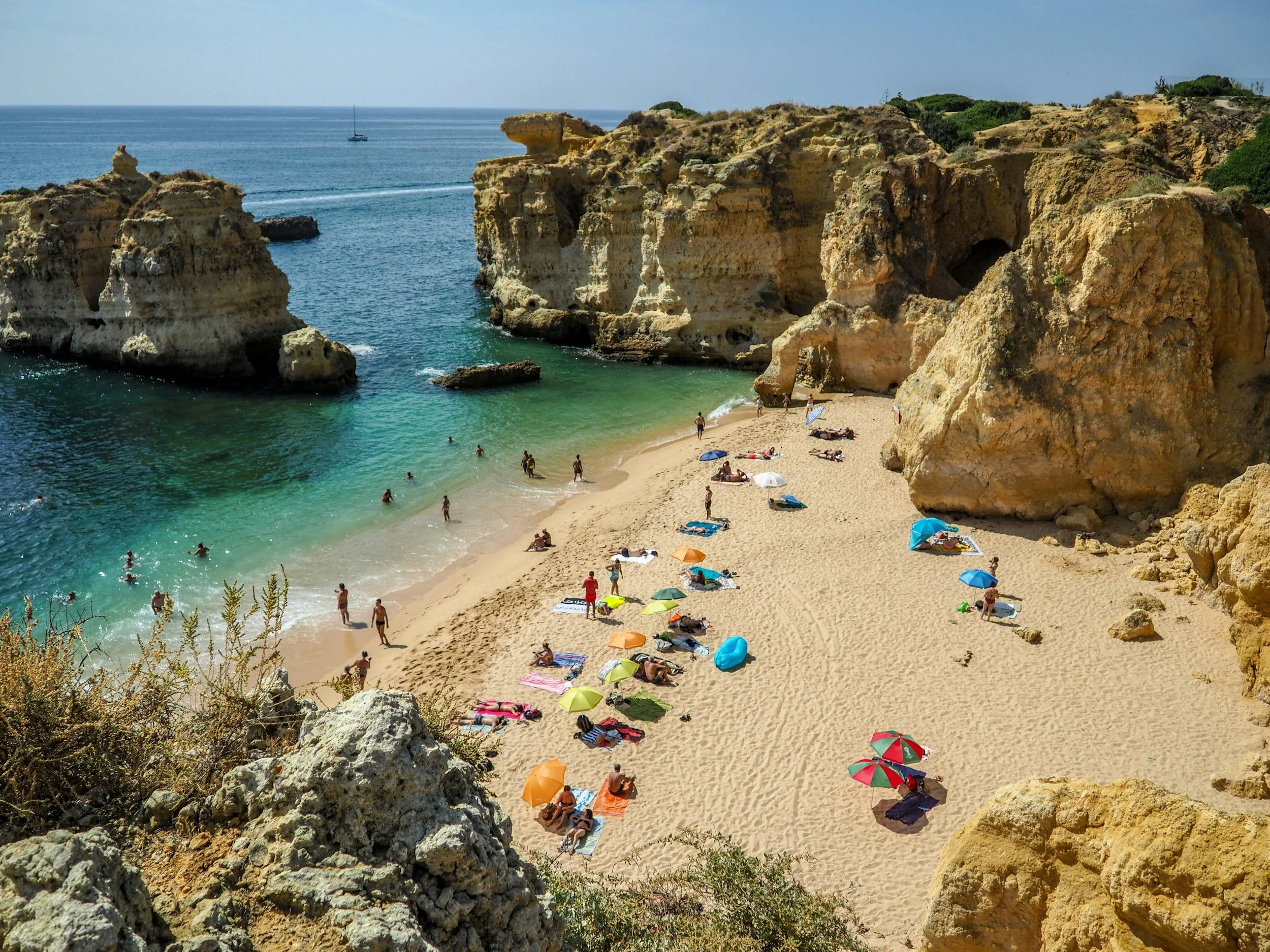
Yes, and deservedly so. The Algarve coastline runs for over 200 kilometres and contains some of the most photographed beaches in Europe. Praia da Marinha, Praia da Dona Ana, Benagil Cave, and the rock formations at Ponta da Piedade regularly feature on "best beaches in the world" lists.
But the coast isn't uniform. The southern coast (from Faro eastwards to Vila Real de Santo António) is characterised by the Ria Formosa lagoon system, barrier islands, and calm, warm waters. The central coast (from Faro westwards through Albufeira, Portimão, and Lagos) is where you'll find the famous golden limestone cliffs, sea caves, and dramatic rock arches. The western coast (the Costa Vicentina, from Lagos up through Aljezur and Odeceixe) is wilder, windier, and far less developed, attracting surfers and hikers rather than resort tourists.
In 2025, the Algarve held 85 Blue Flag beach awards, along with 4 marinas and 2 tourism vessels. Praia de Odeceixe won the Seven Wonders of Portugal award in the "cliff beaches" category in 2012. The variety is what makes it special: you can have a completely different beach experience every day without driving more than an hour.
We've covered many of these coastal spots in our Algarve Unlocked video series, with companion blog posts for places like Benagil, Carvoeiro, and Culatra Island.
What Is the Weather Like in the Algarve?
The Algarve gets more than 300 days of sunshine per year, making it one of the sunniest regions in Europe. Summer temperatures average around 28-30°C, and winters are mild, typically 12-17°C during the day. Rainfall is concentrated in the winter months, mainly November through February, and even then there are long stretches of clear skies.
This climate is one of the key reasons the Algarve attracts both tourists and people looking to relocate. For northern Europeans used to grey skies and short days, the difference is transformative. The year-round sunshine also supports the golf industry, outdoor dining culture, and the general pace of life that draws people here.
That said, summers are genuinely hot, especially inland. And the western coast is noticeably windier and cooler than the sheltered southern coast, which catches people off guard if they've only researched the Algarve in general terms.
Is the Algarve a Good Place for Golf?
The Algarve is one of Europe's top golf destinations and has been for decades. A record-breaking 1.46 million rounds of golf were played on Algarve courses in 2024, a 5% increase on the previous year. The region won the IAGTO World's Best Golf Destination award back in 2000 and has been collecting golf accolades ever since, including Europe's Leading Golf Destination at the World Travel Awards in 2013 and 2014.
There are over 40 courses spread across the region, with particular concentrations around the "Golden Triangle" (Quinta do Lago, Vale do Lobo, and Vilamoura), around Portimão and Lagos in the west, and newer developments like the Ombria Resort course in the hills north of Loulé. The peak months for golf are October, April, and March, when temperatures are pleasant and the courses are in top condition.
We've written about Vale do Lobo and Ombria Resort in our Algarve Unlocked series if you want a closer look at the golf lifestyle.
What Food Is the Algarve Famous For?
The Algarve has a distinctive regional cuisine that goes well beyond the grilled fish and chips served in tourist areas. In 2018, the region was awarded Best European Region in Tourism and Gastronomy by CEUCO at the AURUM Awards.
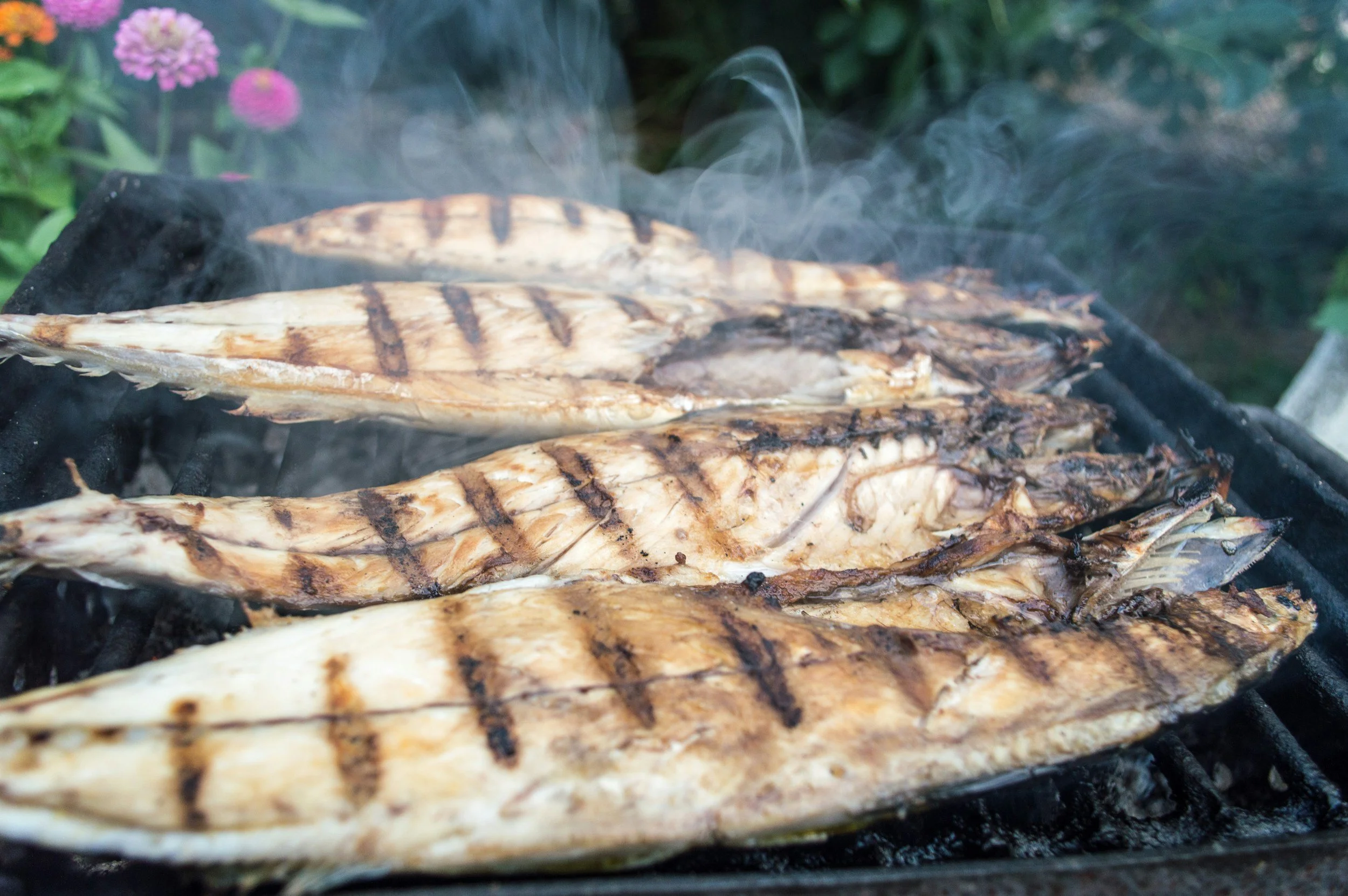
The signature dish is cataplana, a seafood stew cooked in a hinged copper pot that's unique to the region. Grilled sardines (sardinhas assadas) are a summer staple, traditionally eaten during the Santos Populares festivals in June. Frango piri-piri (piri-piri chicken) is found everywhere, with Guia near Albufeira considered the unofficial capital. Xerém is a traditional maize porridge dish specific to the Algarve, and along the coast you'll find excellent caldeirada (fish stew), percebes (barnacles), and cataplana de marisco (shellfish cataplana).
Inland, the food shifts. In villages like Querença, the Festa das Chouriças in January celebrates the local sausage-making tradition. Wild boar (javali) appears on menus in the Barrocal hills. The sweet potato (batata doce) growing regions around Aljezur even have PGI status (Protected Geographical Indication).
For desserts, the Algarve is known for almond and fig-based sweets, many shaped into small fruits or animals as marzipan-style confections. Medronho (arbutus berry brandy) is the local spirit, distilled from the strawberry tree fruit that grows wild in the Serra do Caldeirão.
A traditional prato do dia (dish of the day) at a local restaurant in the inland villages still costs around €12-15 for a full meal with wine, bread, main course, dessert, and coffee. That value is increasingly hard to find on the coast, but it's alive and well in places like Benafim and Alte.
Is the Algarve Safe?
Portugal consistently ranks as one of the safest countries in the world. The 2024 Global Peace Index placed it in the top 10 globally, and the Algarve specifically benefits from low crime rates, a visible but non-intrusive police presence, and a culture where walking home at night simply isn't a concern for most people.
That's not to say crime doesn't exist. Petty theft and pickpocketing occur in tourist hotspots during summer, and there are occasional property break-ins in rural areas. But violent crime is extremely rare by any international comparison, and the general feeling of personal safety is one of the most commonly cited reasons people choose to relocate here.
We've written a full post on is Portugal safe for expats and retirees if you want the detailed breakdown.
What Is There to Do in the Algarve Beyond Beaches?
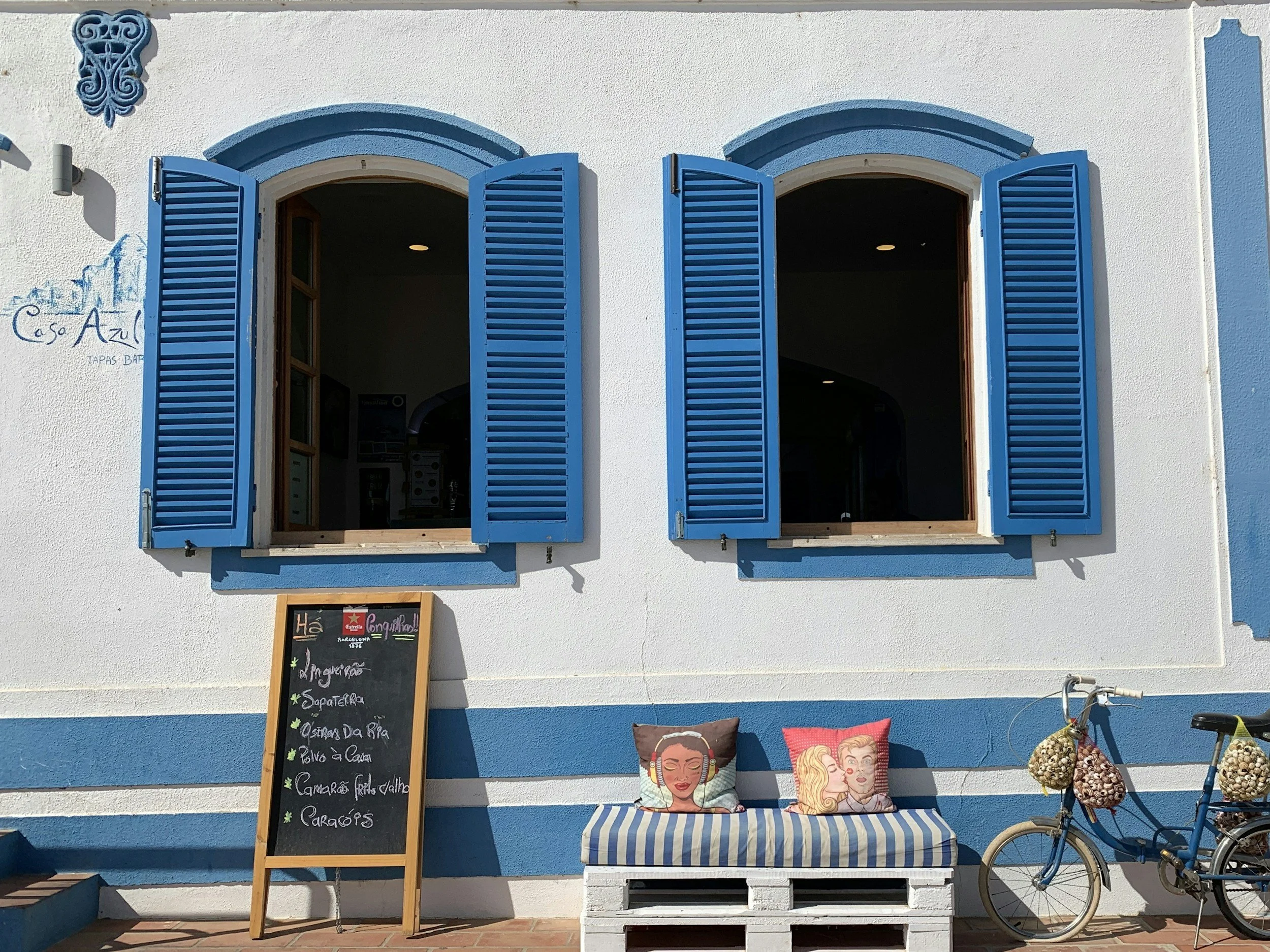
The Algarve is often reduced to "sun and beach" in tourist marketing, but there's a lot more going on.
The Ria Formosa is a 60-kilometre lagoon system stretching from Faro to Cacela Velha, home to barrier islands, salt marshes, and an extraordinary diversity of birdlife. Boat tours, kayaking, and island-hopping are all accessible from Faro and Olhão. Culatra Island is one of the inhabited islands within the system.
The inland Algarve is arguably the region's best-kept secret. The Barrocal (the limestone hills between the coast and the mountains) and the Serra do Caldeirão (the mountain range along the northern border) contain traditional villages, cork oak forests, ancient water systems, and hiking trails including the Via Algarviana (approximately 300 kilometres from Alcoutim to Cabo de São Vicente). We've covered villages like Salir, Alte, Benafim, and Alcoutim in our Algarve Unlocked series, and they offer a completely different experience from the coast.
Surfing is a major draw on the western Costa Vicentina coast, with breaks at Arrifana, Amado, and Odeceixe attracting surfers year-round. The annual MEO Pro Portugal (part of the WSL Championship Tour) has been held at Praia de Supertubos, north of Lisbon in Peniche.
History runs deep. The Algarve was shaped by Phoenician, Roman, and Moorish occupations before the Christian Reconquista completed in 1249 under King Afonso III. Lagos was the launching point for the Portuguese Age of Discovery, and Silves was the Moorish capital of the region. You can see Moorish castle ruins in Silves, Paderne, and Salir, Roman ruins at Cerro da Vila near Vilamoura, and reminders of the 1755 earthquake across the entire coast.
Festivals and markets happen year-round. The Loulé Carnival is considered the biggest in Portugal. Local village festivals (festas) celebrating patron saints, seasonal foods, and community traditions are a genuine part of the social calendar, not tourist performances. We've written about several in our village guides.
Why Do People Relocate to the Algarve?
The Algarve has become one of Europe's most popular relocation destinations, particularly for retirees, remote workers, and families from the UK, Germany, Ireland, the Netherlands, and increasingly the United States and Canada.
The reasons are consistent: climate, safety, cost of living (lower than most of western Europe, though rising), quality of healthcare (both public and private), a functioning legal system, EU membership, and a generally welcoming attitude toward foreign residents. Portugal's tax incentives (though these have changed significantly in recent years) also played a role in earlier waves of relocation.
The Algarve specifically appeals because it combines the practical advantages of Portugal with a lifestyle that's hard to replicate elsewhere: proximity to beaches, year-round outdoor living, a strong expat community that helps newcomers settle, and enough variety in towns and villages that you can find the right fit whether you want cosmopolitan Lagos, quiet inland Benafim, or luxury Vilamoura.
The challenges are real too. Portuguese bureaucracy is slow and sometimes baffling. The language barrier is genuine, even though many Algarve residents speak English. Property prices have risen sharply in popular coastal areas. And the seasonal economy means some services and social scenes thin out considerably in winter.
We've been helping people navigate all of this for years. If you're considering a move, get in touch for a free discovery call, or explore our full range of relocation services.
What Are the Main Towns in the Algarve?
The Algarve contains 16 municipalities with a mix of cities, resort towns, and inland villages. Here's a quick orientation:
Faro is the regional capital and home to the international airport, a university, and a charming old town within Moorish walls. It's more of a working city than a tourist resort.
Lagos is a vibrant, historic city on the western side of the region with a strong expat community, excellent beaches, and a lively cultural scene.
Albufeira is the Algarve's biggest tourist resort, with two distinct personalities: the family-friendly old town and the nightlife-heavy Strip.
Portimão is one of the larger cities, known for Praia da Rocha beach and the Autódromo Internacional do Algarve racetrack.
Tavira is often cited as the most beautiful town in the Algarve, with a historic centre, Roman bridge, and more relaxed pace than the western resorts.
Loulé is the economic centre of the inland Algarve, famous for its Saturday market and Carnival celebrations.
Silves was the Moorish capital and still has an impressive castle overlooking the Arade River.
Olhão is a working fishing town and the gateway to the Ria Formosa islands.
And then there are dozens of smaller villages that most tourists never see but that many residents consider the real Algarve. Our Algarve Unlocked series is working through 50 of them.
Is the Algarve Expensive?
It depends on where and how you live. Coastal resort areas like Vilamoura, Quinta do Lago, and parts of Lagos have property prices that rival many western European cities. The Golden Triangle (Quinta do Lago, Vale do Lobo, Vilamoura) is unapologetically luxury and priced accordingly.
Move inland or to less fashionable coastal towns and the picture changes significantly. A meal out in an inland village costs a fraction of what you'd pay in Albufeira. Property in places like Alcoutim, Salir, or Benafim is dramatically cheaper than the coast. Groceries, utilities, and day-to-day living costs are generally lower than the UK, Germany, or the Netherlands, though the gap has narrowed in recent years.
The honest answer is that the Algarve can be expensive or affordable depending on the choices you make, and the smartest thing anyone can do before relocating is spend time in different areas to understand the range.
What Don't the Tourist Guides Tell You?
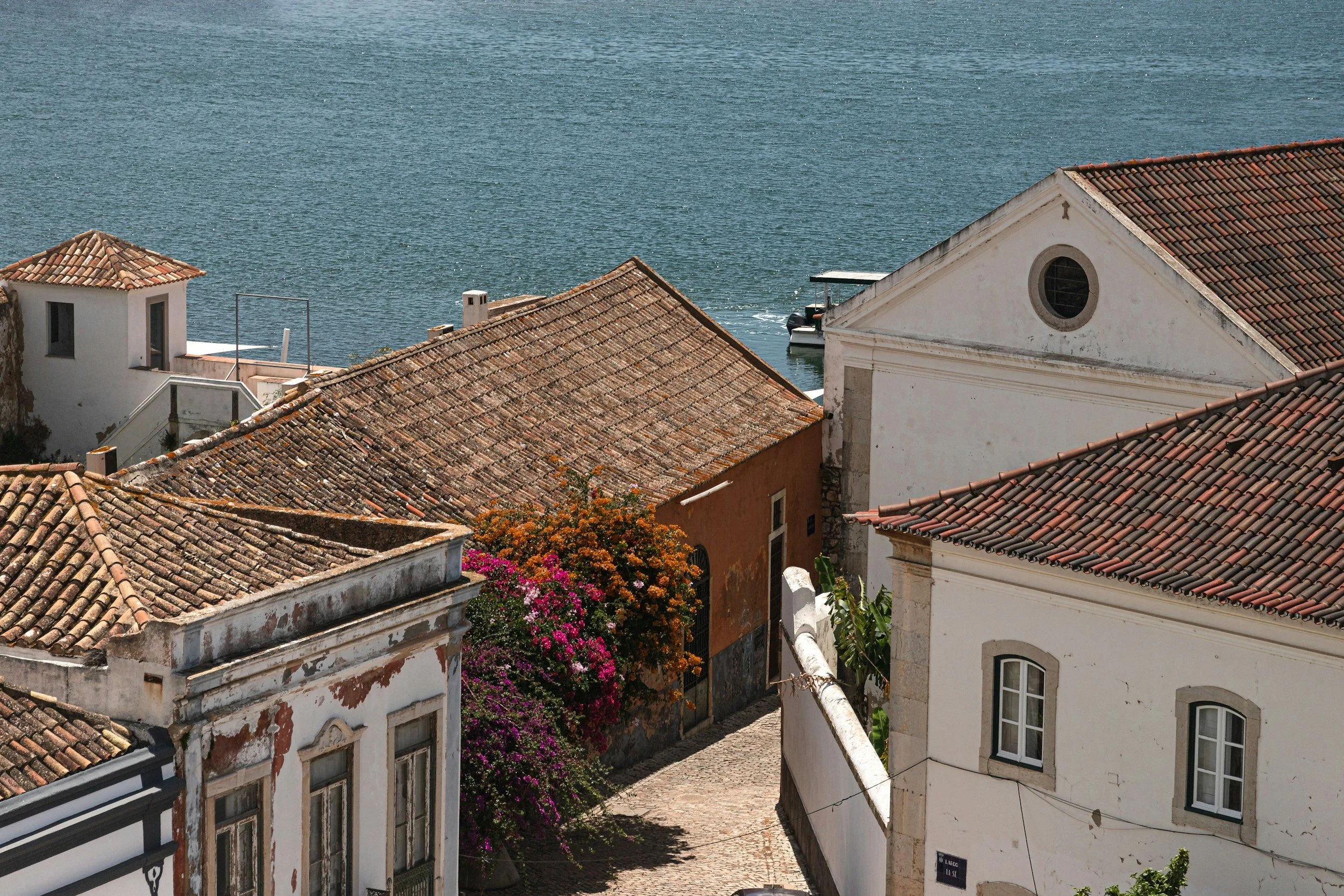
A few things worth knowing that don't make it into the brochures.
The Algarve has a genuine water scarcity challenge. The Querença-Silves aquifer (the largest in the region at 318 square kilometres) and six major dams supply the area, but drought years are becoming more frequent and water management is an ongoing concern.
Wildfire risk is real in rural areas, particularly during the critical fire season from July to September. We covered this in detail in our Barão de São João guide, including practical preparation steps.
The seasonal economy means many coastal businesses close or reduce hours from November to March. The Algarve in winter is beautiful and peaceful, but it's noticeably quieter than the summer, and some people find the contrast stark.
Portuguese bureaucracy is slow. Getting a NIF (tax number), opening a bank account, or processing a visa can take patience and persistence. It works, but not at the speed most northern Europeans expect.
And the Algarve is not one place. The western Costa Vicentina, the central resort coast, the eastern Ria Formosa, and the inland Barrocal and Serra are genuinely different environments with different climates, cultures, and price points. Choosing where to live in the Algarve is as important as choosing the Algarve itself.
The Algarve: More Than a Holiday Destination
The Algarve is famous for its beaches, sunshine, golf, and seafood. That reputation is earned and accurate. But what makes it special for the people who actually live here goes beyond the awards and the Instagram posts.
It's the village festivals where everyone turns up. It's the €12 prato do dia with a glass of local wine. It's the morning light on limestone hills. It's the fact that your neighbour brings oranges from their garden. It's the feeling of safety that you stop noticing because it becomes normal. It's the silence in the Barrocal hills where the only sounds are bees, wind, and birds.
If you're thinking about visiting, come. If you're thinking about moving, take your time, explore different areas, and make an informed decision. And if you want help with any of it, that's what we do.
Get in touch for a free discovery call or explore our relocation services.
Frequently Asked Questions About the Algarve
What is the Algarve best known for? The Algarve is best known for its golden beaches, dramatic cliff formations, year-round sunshine (300+ days per year), world-class golf courses, and fresh seafood cuisine. It has won the World's Leading Beach Destination award four times (2020, 2021, 2024, and 2025).
How many beaches does the Algarve have? The Algarve coastline stretches over 200 kilometres and contains more than 100 beaches ranging from sheltered coves between limestone cliffs to long sandy stretches on barrier islands. In 2025, 85 Algarve beaches held the Blue Flag quality award.
Is the Algarve a good place to live? The Algarve is one of Europe's most popular relocation destinations, known for safety, sunshine, affordable healthcare, and a welcoming attitude toward foreign residents. The key is choosing the right area: coastal resorts, inland villages, and different towns suit very different lifestyles and budgets.
What food is the Algarve famous for? The Algarve is famous for cataplana (seafood stew in a copper pot), grilled sardines, frango piri-piri (piri-piri chicken), xerém (maize porridge), percebes (barnacles), and almond and fig-based desserts. The local spirit is medronho, a brandy distilled from arbutus berries.
How far is the Algarve from Lisbon? The Algarve is approximately 2.5 to 3 hours from Lisbon by car via the A2 motorway. Faro airport serves the region with direct flights to over 60 European destinations.
What is the Golden Triangle in the Algarve? The Golden Triangle refers to the luxury area encompassing Quinta do Lago, Vale do Lobo, and Vilamoura in the central Algarve. It's known for five-star resorts, championship golf courses, Michelin-starred restaurants, and some of the highest property prices in Portugal.
